Ever turn a corner in the West Village and feel like the neighborhood changed in a single block? That is part of what makes this part of Manhattan so memorable, and sometimes a little hard to read at first. If you want a local-style sense of which streets feel quieter, where the foot traffic gathers, and which spots shape daily life, this guide will help you get oriented. Let’s dive in.
Why West Village Feels Different
The West Village does not follow Manhattan’s more familiar grid in a neat, predictable way. According to the National Park Service, Greenwich Village follows an older Dutch plan, so streets can angle off, intersections can feel irregular, and blocks do not always unfold the way you expect.
That street pattern is a big part of the neighborhood’s charm. It can also change how you experience a walk, because one block may feel calm and tucked away while the next feels lively and highly social.
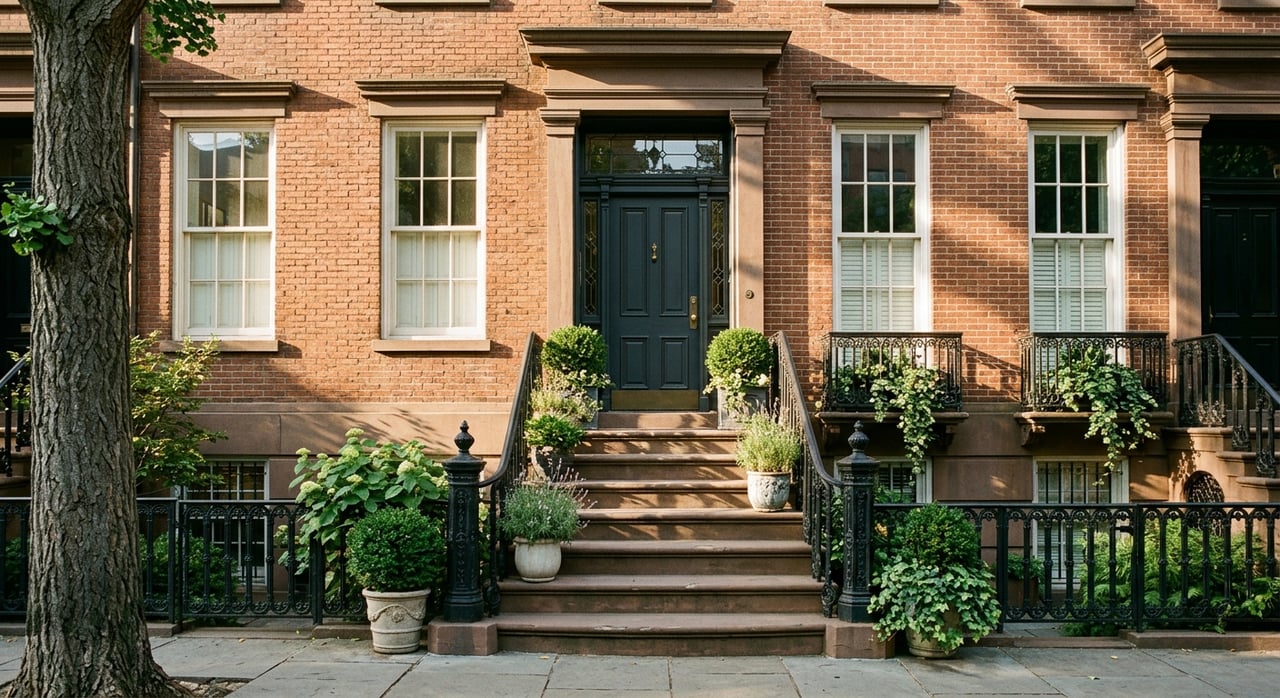
The neighborhood also carries a strong historic identity. The Landmarks Preservation Commission says the Greenwich Village Historic District was designated in 1969 and includes more than 2,000 buildings across 65 blocks, which helps explain why so much of the area feels visually layered and distinct.
Streets With a Quieter Pace
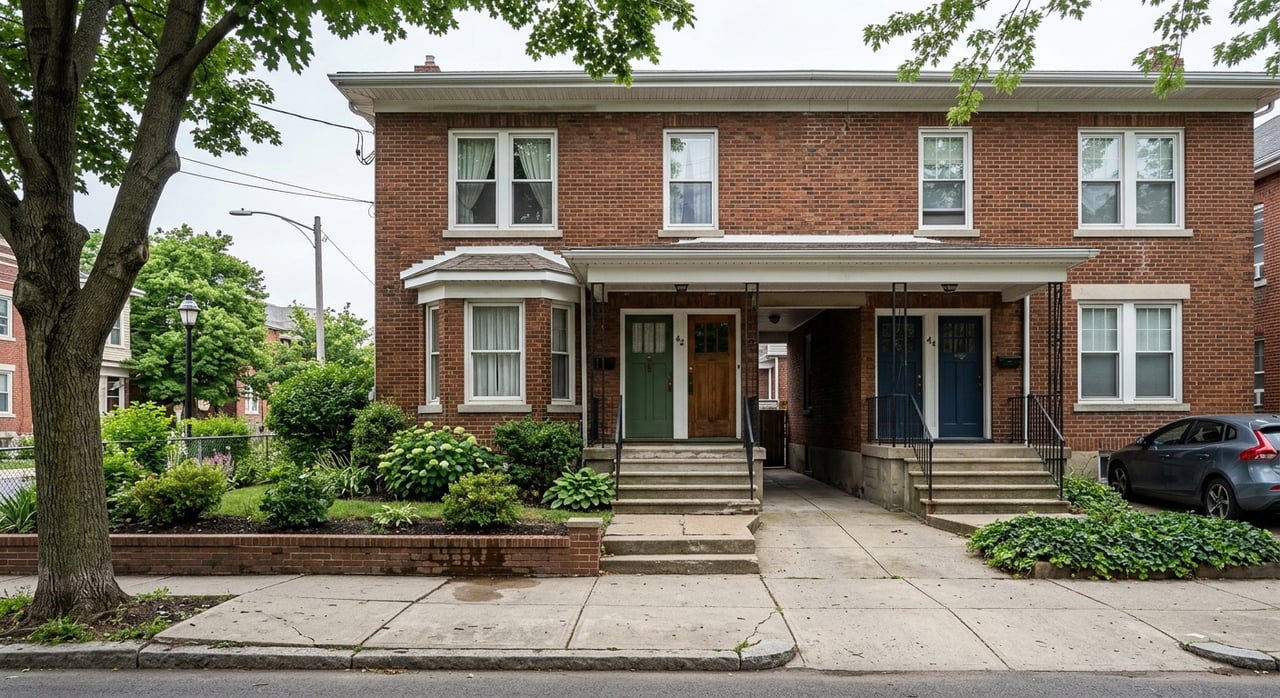
If you are drawn to blocks that feel more residential, the Far West Village offers some of the clearest examples. The Department of City Planning describes this area as largely residential today, with a mix of converted lofts, 19th-century row houses, West Village Houses, and newer buildings.
That same city planning report notes that 78 percent of lots in the Far West Village are residential, compared with 13 percent commercial. In practical terms, that helps create a calmer, more townhouse-like feel on many side streets.
Blocks That Often Feel Lower-Key
The quieter rhythm tends to show up on streets like Christopher, Weehawken, and Charles Lane, along with pockets around Bethune Street, West 12th Street, Washington Street, and West Street. These areas are supported by lower-scale row houses, apartment buildings, and converted loft buildings, which soften the street experience.
If you are walking the neighborhood to get a feel for it, these are the kinds of blocks where you may notice less retail activity and a more residential cadence. That does not mean empty or isolated. It usually means a steadier pace and less constant turnover from block to block.
Streets With More Energy
The West Village is not busy in one uniform way. Instead, activity tends to cluster around key streets with public destinations, restaurants, shops, and transit connections.
The National Park Service includes Christopher Street, Grove Street, Greenwich Avenue, and West 4th Street in the Stonewall National Monument landscape. That helps explain why these corridors often feel more active and more central to neighborhood life.
Dining Corridors
Some of the neighborhood’s restaurant energy concentrates on recognizable stretches rather than covering every block. For example, Via Carota is located at 51 Grove Street, and Don Angie is at 103 Greenwich Avenue.
That pattern matters if you are trying to understand the area in a practical way. A block can be very close to popular dining while still feeling noticeably quieter once you turn the corner.
Shopping Pockets
Bleecker Street has one of the clearest retail identities in the neighborhood. Store locations like LoveShackFancy at 390 Bleecker Street and ANINE BING at 330 Bleecker Street support its role as a shopping corridor.
Magnolia Bakery also traces its first store to Bleecker Street and West 11th Street in 1996. Together, those examples show how Bleecker works as one of the neighborhood’s most recognizable browse-and-stroll streets.
The Spots That Shape Daily Life
A neighborhood guide is not just about famous names. It is also about the places that define how a normal day feels when you live there, visit often, or are deciding whether the area fits your lifestyle.
In the West Village, that often means a mix of compact parks, coffee stops, waterfront access, and cultural institutions. Each one gives the neighborhood a different kind of rhythm.
Abingdon Square
If you want a quieter pause, Abingdon Square offers it. The conservancy says the park was established in 1836, covers 0.22 acres, and serves as a tranquil oasis as well as a neighborhood gathering place.
This is the kind of spot that helps balance the busier restaurant and shopping streets nearby. It is small, but that is part of its appeal.
Washington Square Park
On the eastern side of the broader Village experience, Washington Square Park brings a very different energy. NYC Parks describes it as a dynamic commons used by residents, students, activists, chess players, performers, and tourists.
At 9.75 acres, it functions more like a major social and cultural anchor than a simple neighborhood green space. If you are comparing moods within the area, this is one of the clearest contrasts to the more tucked-away feel of smaller West Village parks.
Hudson River Park
For a waterfront reset, Hudson River Park adds an entirely different dimension. Its official park information notes that Pier 45 sits at the foot of Christopher Street, while Pier 46 serves as a Greenwich Village retreat.
Pier 45 includes a lawn, promenade, and free events during the programming season. The West Village Apple Garden is also approached from West Village side streets, giving the waterfront a direct connection to daily neighborhood life.
Christopher Park and Stonewall
Christopher Park carries deep neighborhood significance. The National Park Service says the Stonewall National Monument spans 7.7 acres, includes Christopher Park and the Stonewall Inn, and serves an area that includes nearby streets such as Grove and West 4th.
It also notes that Christopher Park is one of the only public open spaces serving Greenwich Village west of 6th Avenue. In 2024, the nearby subway station was renamed Christopher Street-Stonewall National Monument Station, which further reflects the site’s role in neighborhood identity.
West Village Culture in Everyday Terms
The West Village feels lived-in not only because of its streets and parks, but because of its institutions. Some places help define the area’s day-to-day character in a way that goes beyond architecture.
Westbeth is one of those places. It describes itself as an artists-housing complex in the Far West Village that combines housing, studios, and cultural organizations.
Cherry Lane Theatre is another long-standing marker. It says it was founded in 1923 and is New York’s oldest Off-Broadway theater, which adds to the neighborhood’s creative and performance-oriented identity.
Greenwich House Music School brings a community layer to that picture. It calls itself the West Village’s oldest and only community music school, showing how cultural life here is woven into everyday neighborhood routines rather than separated from them.
What a Typical Day Can Look Like
One of the easiest ways to understand the West Village is to picture how a day unfolds on foot. You might start with coffee, pass through a quiet side street, cross into a busier dining corridor, and end up by the river without needing a long plan.
Joe Coffee’s West Village location at 141 Waverly Place is one example of that neighborhood routine. The company says the shop opened in 2003 and draws regulars that include artists, photographers, writers, students, and visitors.
That mix speaks to something important about the area. The West Village can feel intimate and local while still connecting many different kinds of people throughout the day.
Getting Around West Village
The neighborhood’s walkability is one of its defining strengths, but transit is still an important part of the daily picture. Several key destinations point to the same core subway options, which makes the area well connected without losing its pedestrian feel.
Cherry Lane Theatre lists the 1 train at Christopher Street and the A, B, C, D, E, F, and M trains at West 4th Street. IFC Center gives the same West 4th and Christopher Street options, reinforcing how many errands, outings, and commutes can start on foot and stay simple.
The public realm also benefits from active neighborhood management. The West Village BID says it was formed to support a culturally rich, commercially vibrant community and focuses on clean, beautiful, safe streets and better-managed foot traffic.
How To Read The Neighborhood Like a Local
If you are exploring the West Village for the first time, it helps to think in layers instead of borders. The neighborhood is less about one single atmosphere and more about how different streets connect to each other.
A simple way to read it is this:
- For quieter blocks: look toward the Far West Village and lower-scale side streets
- For restaurants and foot traffic: focus on Christopher Street, Grove Street, Greenwich Avenue, and parts of West 4th Street
- For shopping: spend time along Bleecker Street
- For a small park pause: head to Abingdon Square
- For waterfront space: walk west to Hudson River Park and the piers
- For historic and civic identity: spend time around Christopher Park and the Stonewall area
That kind of block-by-block understanding is often what helps you decide whether a neighborhood truly fits your lifestyle. In Manhattan, especially, being one or two streets over can meaningfully change how a place feels day to day.
If you are considering a move in Manhattan and want a practical, on-the-ground view of how a neighborhood lives beyond the listing photos, working with an agent who pays attention to those details can make the search much clearer. To talk through West Village condos, compare block-by-block feel, or plan your next move with white-glove guidance, schedule a free consultation with Gulnara Yunussova.
FAQs
What makes West Village streets feel different from other parts of Manhattan?
- West Village streets often feel different because the area follows an older, irregular street plan rather than Manhattan’s typical grid, so blocks, angles, and intersections can feel less predictable.
Which West Village streets tend to feel quieter and more residential?
- Streets and pockets around Christopher, Weehawken, Charles Lane, Bethune Street, West 12th Street, Washington Street, and West Street often read as quieter because they include lower-scale row houses, apartment buildings, and converted lofts.
Which West Village streets are known for restaurants and activity?
- Christopher Street, Grove Street, Greenwich Avenue, and West 4th Street are among the better-known active corridors, with dining and public destinations helping create more foot traffic.
Where can you find shopping in the West Village?
- Bleecker Street is one of the neighborhood’s clearest shopping corridors, with a recognizable retail presence and long-standing food and fashion destinations.
What parks and open spaces define daily life in West Village?
- Abingdon Square, Washington Square Park, Hudson River Park, and Christopher Park each shape neighborhood life in different ways, from quiet seating areas to waterfront access and major civic gathering spaces.
How do you get around from the West Village?
- The neighborhood is highly walkable, and key subway access points include the 1 train at Christopher Street and the A, B, C, D, E, F, and M trains at West 4th Street.
What cultural institutions stand out in the West Village?
- Westbeth, Cherry Lane Theatre, and Greenwich House Music School are three notable institutions that reflect the neighborhood’s artistic and community-focused identity.