Falling for a Bed-Stuy brownstone is easy. Knowing exactly what to inspect before you buy is how you protect your budget and your peace of mind. Historic townhouses in Bedford-Stuyvesant have timeless details, but they can also hide aging systems, moisture issues, and past alterations. This guide gives you a clear, step-by-step checklist, a smart inspection timeline, and negotiation priorities tailored to Bed-Stuy. Let’s dive in.
Why Bed-Stuy homes need a plan
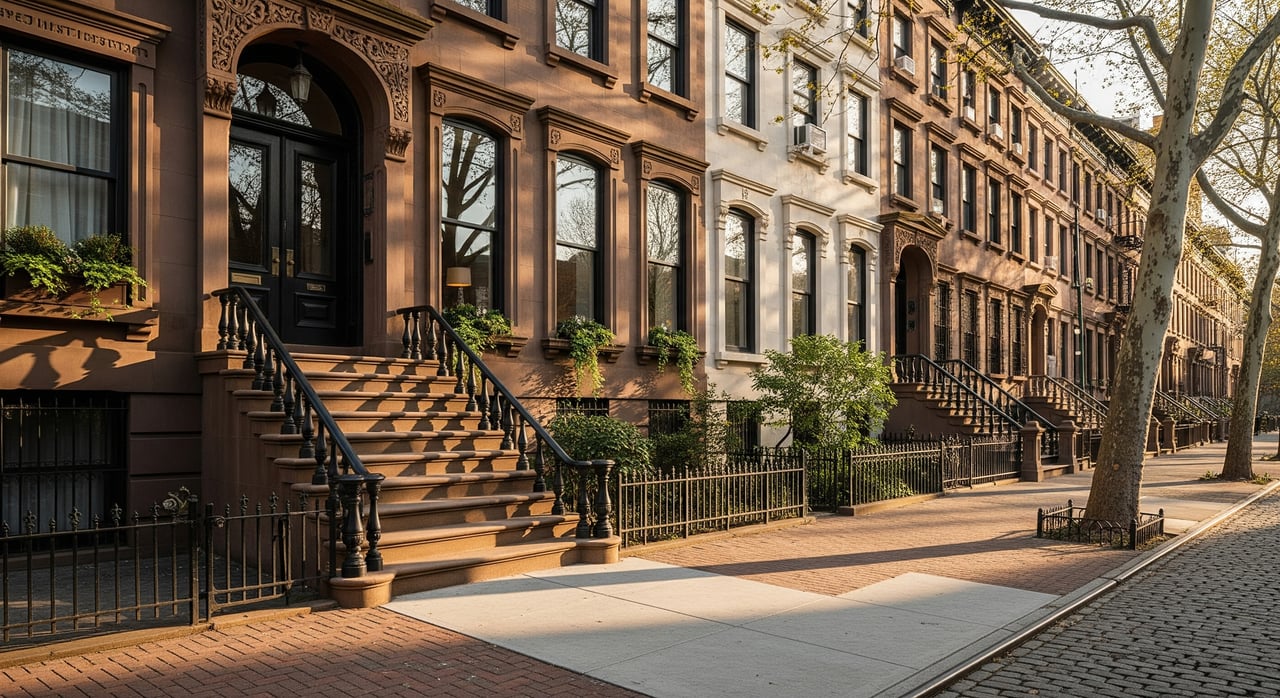
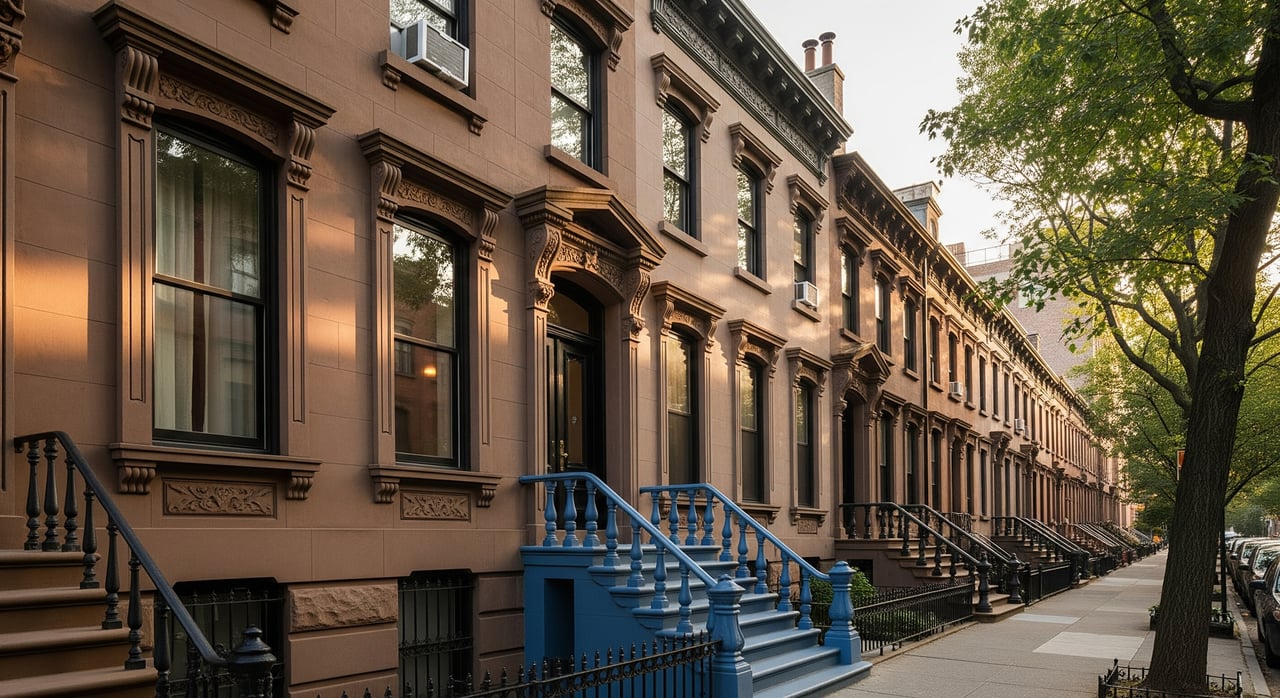
Many Bed-Stuy townhouses were built in the late 19th and early 20th centuries with masonry bearing walls, brownstone or brick facades, stoops, and timber joists. You will often see older boilers, hot water heaters, and legacy wiring. That history adds charm and also makes a thorough inspection essential.
Parts of Bed-Stuy fall within New York City Landmarks Preservation Commission districts. Exterior work like windows, cornices, masonry, and rooflines typically requires LPC review, so you should confirm whether the home is landmarked and if past exterior changes were permitted. You should also review Department of Buildings records for permits, open violations, and Certificate of Occupancy status, plus HPD records for multi-unit buildings.
While Bed-Stuy is generally lower flood risk than waterfront areas, basements can still experience localized flooding and combined sewer backups. Older homes may also contain lead-based paint, asbestos, and evidence of past oil heating. Plan to check for these early.
Start with records and status
Gather key documents before or immediately after your offer is accepted. These help you spot deal-stoppers fast and guide your inspection plan.
- Confirm DOB permit history, open violations, and current Certificate of Occupancy.
- Check LPC status if the property is in a historic district and review prior exterior approvals.
- For multi-family use, review HPD registrations and housing maintenance code violations.
- Ask the seller for recent invoices for roof, boiler, plumbing, or electrical work, plus any surveys and utility bills.
- Review recorded deeds and easements to understand party-wall and property-line issues.
Structure and exterior envelope
Structural and exterior issues can be costly, and in landmark areas they may require additional approvals. Use this checklist during your inspection window.
Roof and parapets
- What to look for: roof age and type, condition of membrane, flashing, drains, and downspouts, parapet and coping stone integrity, and signs of ponding or sagging.
- Why it matters: Roof and parapet leaks damage interiors and are expensive. Significant deflection or cracking warrants a structural engineer.
Masonry, brownstone, stoop, cornice
- What to look for: spalling brick, deteriorated brownstone, mortar condition, loose or rusting cornices and lintels, and the condition of the stoop and railings.
- Why it matters: Masonry and stoop repairs are major line items and may need LPC approval in historic districts.
Foundations and basement
- What to look for: settlement cracks, bulging walls, efflorescence, damp spots, sump pump presence and operation, and floor heaving or unevenness.
- Why it matters: Chronic moisture and foundation movement affect stability and indoor air quality. Plan for a structural engineer and waterproofing if red flags appear.
Party walls and adjacency
- What to look for: signs of movement at shared walls, differential settlement compared to neighbors, and the condition of fire separation.
- Why it matters: Repairs can involve coordination with adjacent owners. Confirm property lines and any agreements.
Interiors and layout
Historic layouts can be beautiful and also challenging for a growing household. Assess function and any hidden structural clues.
Layout flow and usable space
- What to look for: practical kitchen size, bathroom count and placement, closet and storage solutions, basement ceiling height and natural light, and access to outdoor space.
- Why it matters: Modernizing layouts may require permits and, if exterior changes are involved, LPC review.
Floors, ceilings, visible deflection
- What to look for: bouncy or sloped floors, cracked plaster, and bulging ceilings.
- Why it matters: These can indicate joist issues or moisture. A general inspector can flag concerns, with a structural engineer for significant movement.
Mechanical systems
Heating, cooling, and hot water are core comfort and cost drivers in older townhouses.
Heating and hot water
- What to look for: system type (steam or hot water boiler, forced air), fuel source, age and service history, venting and chimney condition, and hot water heater age.
- Why it matters: Older boilers and oil-to-gas conversions can carry big replacement costs. Chimneys may need relining for safety.
Cooling and ventilation
- What to look for: type of air conditioning, adequacy of ductwork, and ventilation for kitchens and baths.
- Why it matters: Retrofitted systems in old buildings can struggle with airflow and moisture removal, which affects comfort and finishes.
Electrical system
Electrical capacity and safety should match modern family needs.
- What to look for: main service size, panel age and condition, fused panels, proper grounding, presence of knob-and-tube or aluminum wiring, overloaded circuits, and GFCI/AFCI protection where required.
- Why it matters: Undersized service and outdated wiring can be safety and insurance issues. Plan for a licensed electrician if you see older components or plan a renovation.
Plumbing and sewer
Aging supply lines and combined sewers deserve careful evaluation.
Supply and drain lines
- What to look for: pipe materials, water pressure, visible leaks at fixtures, and water heater condition.
- Why it matters: Galvanized supply lines corrode and cast iron wastes can fail. Replacement planning helps avoid surprise outages.
Sewer-scope and backflow protection
- What to look for: camera inspection of the lateral, tree root intrusion, signs of past backups, and the presence or absence of a backwater valve.
- Why it matters: Combined sewers and heavy rain can cause backups. Lateral repairs are costly, so this is a high-value test.
Moisture, pests, and environmental
Healthy indoor air and safe materials are especially important in older homes.
Basements and hidden moisture
- What to look for: musty odors, visible mold, wet walls or floors, and painted-over stains.
- Why it matters: Moisture and mold are expensive to remediate and can recur without proper drainage and waterproofing.
Lead paint and asbestos
- What to look for: likely lead-based paint in pre-1978 homes and potential asbestos in insulation, pipe wraps, and floor tiles.
- Why it matters: Disclosure rules apply. If you plan renovations or see deteriorated surfaces, arrange testing and plan safe handling.
Oil tanks and hazardous materials
- What to look for: signs of current or past oil heat, buried tanks, and staining.
- Why it matters: Underground tanks require removal and can involve environmental cleanup. An oil-tank sweep is prudent when evidence suggests prior oil service.
Pests and wood-destroying insects
- What to look for: termite tubes, carpenter ants, and wood rot.
- Why it matters: Wood damage affects structure and can be widespread if undetected.
Fire safety and egress
Safety and code compliance support insurability and long-term peace of mind.
- What to look for: clear exits, functional stairways, proper fire separation between units, egress windows for any basement sleeping rooms, and working smoke and carbon monoxide detectors.
- Why it matters: These items are central to occupant safety and can be required by lenders and insurers.
Site and outdoor considerations
Your yard and site grading can influence the entire home’s condition.
What to look for: positive grading away from the foundation, drainage paths, condition of rear stairs, fences, retaining walls, and tree root proximity to the foundation.
Why it matters: Poor drainage drives basement issues. Mature trees can impact foundations and laterals.
Parking note: If there is a curb cut or driveway, confirm it was legally created. Unpermitted parking conversions can be costly to correct.
Historic district compliance
If the home is in an LPC district, add this layer to your review.
- What to look for: whether past exterior work matches LPC approvals, and whether windows, cornices, and masonry alterations were permitted.
- Why it matters: Unpermitted exterior changes can require remediation and retroactive approvals, adding time and cost to your plans.
Your inspection timeline
Move quickly and methodically to make your contingency count.
- Days 0 to 2: Order municipal records checks. Confirm DOB permits and violations, LPC status, HPD records for multi-unit properties, and deed items.
- Days 3 to 7: Schedule a full general home inspection. This gives you a comprehensive view and a list of red flags.
- Within the contingency window: Add specialist tests based on age and red flags. Common follow-ups include sewer camera, structural engineer, roofer and chimney, licensed electrician, HVAC and boiler technician, lead and asbestos testing, oil-tank sweep, WDI, and mold or indoor air quality testing if there are odors or visible growth.
- Days 7 to 10: Gather contractor estimates and, if needed, an engineer’s remediation plan.
- Days 10 to 14: Use findings to negotiate repairs, credits, or price adjustments. If issues are unresolved and your contract allows, decide whether to proceed or exit.
Negotiation game plan
Prioritize safety, legality, and water-related issues. These tend to drive the largest costs and lender constraints.
- High priority: open DOB or HPD violations, illegal or unpermitted conversions, missing or incorrect Certificate of Occupancy, major structural defects, active water intrusion or sewer problems, underground oil tanks, and unsafe electrical systems.
- Medium priority: roof replacement, aging boilers or major mechanicals at end of life, substantial mold or pest treatment, and significant masonry or brownstone repairs in LPC areas.
- Lower priority: cosmetic updates, minor leaks with a repair plan, and typical deferred maintenance.
When possible, try to negotiate a closing credit or repair escrow so work is completed to proper standards. If the seller prefers to repair before closing, request licensed contractors, permits when required, and documentation of completion.
What to bring to your first walk-through
- Flashlight and phone camera for detailed photos.
- A simple ball or marble to test floor slope in several rooms.
- Notepad for recording damp smells, sticky windows, or slow drains.
- A list of questions for the seller about roof age, boiler service, past leaks, and any past insurance claims.
Ready to buy with confidence
A Bed-Stuy townhouse can be a wonderful long-term home. With a concise plan for records, inspections, and negotiations, you can move forward with clarity and protect your budget. If you want a calm, step-by-step approach and access to experienced inspectors and contractors, schedule a conversation with Gulnara Yunussova. We will help you prioritize what matters, align your timeline with the market, and position your offer to win.
FAQs
How does landmark status affect Bed-Stuy townhouse renovations?
- Landmark status can limit exterior changes and extend timelines, so verify LPC district status and prior approvals early and factor this into your renovation plans.
What surprise costs are common in Bed-Stuy brownstones?
- Big-ticket items often include masonry or brownstone repair, roof and parapet work, foundation stabilization, boiler replacement, unpermitted work remediation, oil-tank removal, and sewer lateral repairs.
Should I order a sewer camera inspection for a Bed-Stuy townhouse?
- Yes if the home is older, the basement shows moisture, or there is any history of backups, since combined sewers and heavy rain can lead to costly issues.
What records should I request from the seller before inspections?
- Ask for recent contractor invoices, permits and the Certificate of Occupancy, any LPC approvals, surveys if available, and utility bills to understand operating costs.
How do I confirm the legal number of dwelling units?
- Review the Certificate of Occupancy and DOB records to ensure the current use matches the legal occupancy before you commit to financing and insurance.
When do I bring in a structural engineer versus a general inspector?
- Start with a licensed home inspector, then add a structural engineer if you see significant floor deflection, foundation cracks, roof or parapet concerns, or other structural red flags.