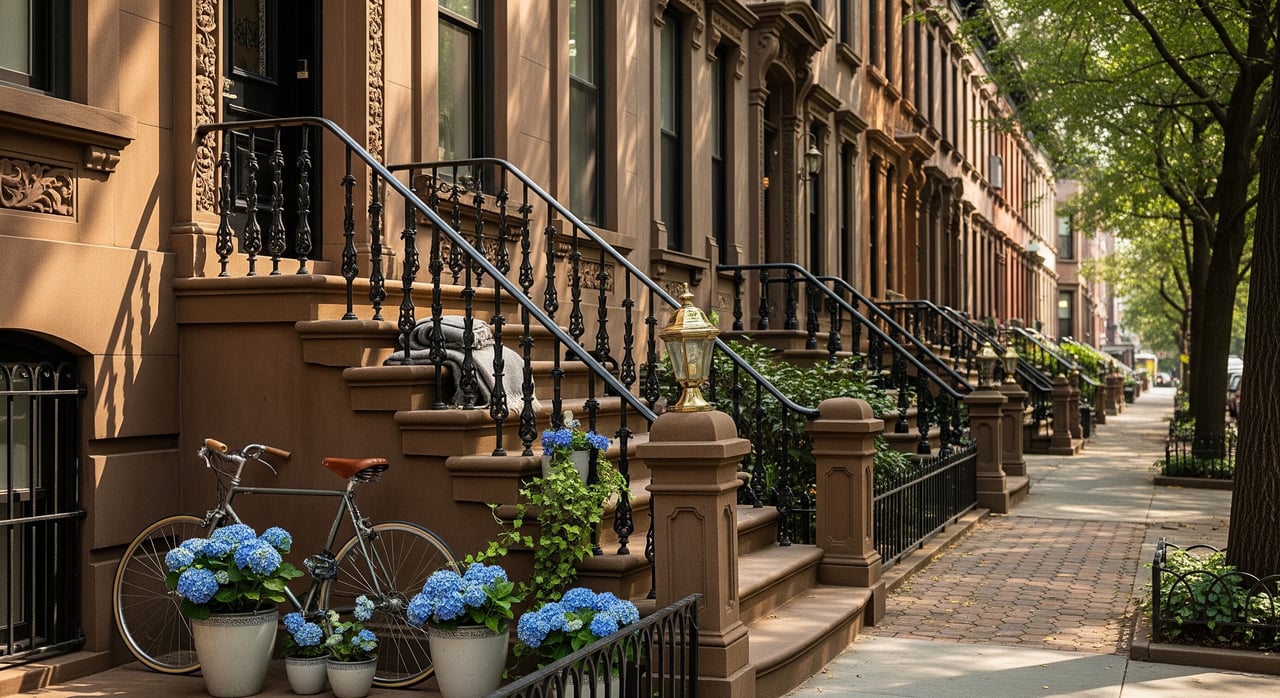
Picture yourself setting down groceries, hanging coats on the parlor level, and heading out to Prospect Park for an hour before dinner. That is the rhythm many people seek in Park Slope’s classic brownstones: space to spread out, a strong neighborhood feel, and everyday access to green space, shops, and transit. If you are exploring this lifestyle, you want a clear sense of what daily life actually looks like. This guide walks you through homes, amenities, commuting, and practical decisions so you can plan with confidence. Let’s dive in.
What brownstone living looks like
Space and layout
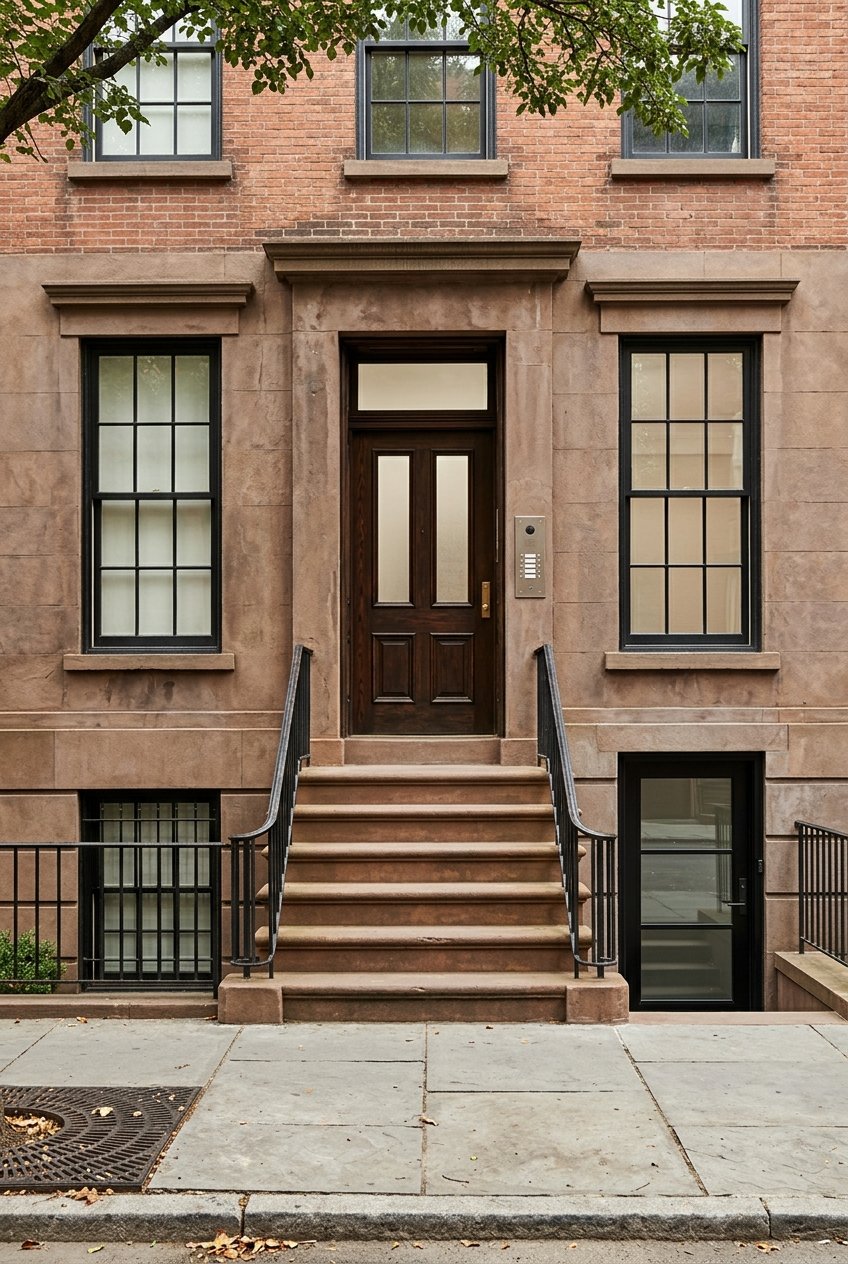
A typical Park Slope brownstone is a late 19th-century masonry rowhouse with a stoop, parlor floor, bedrooms above, and a basement or garden level that may hold the kitchen or extra living space. High ceilings, wood details, and tall windows are common. Many homes include a small backyard, which adds flexible outdoor space. These layouts give you separate areas for living, dining, and sleeping, though footprints can be narrow.
Stairs and flow
Most brownstones are 3 to 5 stories. Daily life often involves moving between levels for cooking, dining, work, and sleep. Stairs are part of the charm and the tradeoff. If you want single-level living, a condo or co-op nearby may be a better fit. If you like defined floors and privacy, the vertical layout works well.
Light, noise, and privacy
Tall windows bring generous light to the parlor level. Bedrooms on upper floors can feel quiet and tucked away. Street activity varies by block. Many properties are in the Park Slope Historic District, which helps maintain a consistent streetscape and a cohesive look along many blocks.
Private outdoor space
A small garden or backyard can be a daily luxury. Morning coffee outdoors or simple playtime after school is common. Some homes also have roof access or terrace areas, depending on the building and any approvals obtained over the years.
The neighborhood rhythm
Prospect Park as your backyard
Prospect Park is the anchor of daily life for many Park Slope residents. You will see jogging and walking paths, open meadows, and playgrounds busy in all seasons. Seasonal programming, the Prospect Park Zoo, and recreation at the LeFrak Center offer activities year-round. Pocket parks and community gardens throughout the neighborhood add easy green escapes when you want a quick outing.
Shopping and dining on 5th and 7th
Most errands happen along 7th Avenue and 5th Avenue, where you will find cafés, bakeries, family-oriented restaurants, and everyday services. The Park Slope Food Coop is a longstanding community institution, and the farmers market at Grand Army Plaza draws locals on weekends. You can pick up groceries, grab dinner, and browse local boutiques within a few blocks of home.
Schools and childcare options
Park Slope includes a mix of public schools, private schools, and daycare and preschool choices. Nearby examples include public elementary options and independent schools such as Berkeley Carroll. Enrollment zones and admissions policies can change, so it is important to confirm current information with the NYC Department of Education and individual school websites before you plan a move.
Culture and community
Cultural institutions nearby include the Brooklyn Museum and Brooklyn Botanic Garden, with additional venues in adjacent neighborhoods. Local libraries, community centers, parents’ groups, and block associations host events and programs throughout the year. The Old Stone House serves as a historic site and a community gathering point.
Getting around from Park Slope
Subways and regional transit
Multiple subway lines are within walking distance from many addresses, offering direct and transfer options to Manhattan and across Brooklyn. Typical subway rides to Midtown or Lower Manhattan often fall in the 20 to 45 minute range, depending on your route, local versus express service, and your starting block. Atlantic Terminal/Barclays Center is a major nearby hub with additional subway lines and Long Island Rail Road service, which some residents use for regional commutes.
Biking and walking
Park Slope is known for walkability and a strong bike culture. Protected bike lanes and Citi Bike docking stations support both commuting and leisure rides. Access to Prospect Park’s paths makes weekend loops and car-free rides simple.
Driving and parking reality
Street parking can be limited. Many blocks follow alternate-side street cleaning, and some households choose municipal or private garages. If you plan to own a car, factor in parking strategies and costs. Many residents find daily commuting easiest by subway, bike, or on foot.
Brownstone upkeep and renovation
Inspections that matter
Older masonry houses deserve thorough due diligence. A pre-purchase inspection should look closely at foundations, brick and brownstone facades, cornices, and roofs. Systems like boilers, hot water, electrical panels, gas lines, and plumbing may require updates. Environmental checks for lead paint in pre-1978 buildings, possible asbestos in older materials, and any moisture issues in basements are also important.
Landmark rules in practice
Many Park Slope blocks fall within the Park Slope Historic District. Exterior changes such as stoops, facades, brownstone resurfacing, windows, and cornices usually require review by the NYC Landmarks Preservation Commission. Interior renovations are generally not regulated unless a space is individually landmarked. If you are planning updates, build time and budget for approvals into your timeline.
Budgeting and financing basics
Brownstones often command higher purchase prices compared to other local housing types, reflecting their scarcity and character. Plan for property taxes, utilities, and ongoing maintenance. Renovation costs vary based on scope and condition. Financing for a single-family townhouse differs from co-ops and condos, which can have board approvals and different mortgage structures. It is smart to confirm lender requirements early and align your budget with likely improvements.
Is a brownstone right for you?
Consider these everyday tradeoffs as you decide:
- Space and autonomy: Private entry, multiple floors, and often a yard offer independence and room to grow.
- Upkeep and costs: Older buildings require ongoing maintenance and may need system upgrades.
- Stairs and layout: Vertical living shapes daily routines and accessibility.
- Community context: Tree-lined blocks and consistent streetscapes create a neighborhood feel near Prospect Park.
- Alternatives: Co-ops and condos nearby reduce maintenance responsibilities and can provide elevator access.
A day in the life
You start with coffee on the stoop and a short walk to the park for a loop around the meadow. Late morning, you pick up produce at the farmers market and stop by a local bakery on 7th Avenue. After lunch, neighbors gather at a pocket park, and you head to a nearby library branch. Dinner is easy with restaurants along 5th Avenue, and the evening ends with a quiet top-floor bedroom, with tomorrow’s plan already forming: a bike ride through the park before work.
Working with a local advisor
Choosing a Park Slope brownstone is a lifestyle and a building decision. You benefit from guidance that covers property inspections, historic approvals, and neighborhood fit, block by block. If you prefer a turnkey path, co-ops and condos nearby can offer space without as much maintenance. If you are drawn to original details, privacy, and a backyard, a brownstone may be the long-term home you want.
For tailored advice and access to resources like team-based staging and marketing, connect with a neighborhood-focused agent who understands Brooklyn townhouses and the decision points that matter to you. If you are ready to refine your plan or tour options, schedule a conversation with Gulnara Yunussova.
FAQs
How long is the commute from Park Slope to Manhattan?
- Most subway rides to Midtown or Lower Manhattan range from about 20 to 45 minutes depending on your starting block, route, and local versus express service.
What should I inspect in a Park Slope brownstone before buying?
- Prioritize structure, roof, facade, and systems like heating, hot water, electrical, gas, and plumbing, plus checks for lead paint, possible asbestos, and moisture in basements.
How do landmark rules affect renovations in Park Slope?
- Many blocks are in the Park Slope Historic District; exterior changes typically require NYC Landmarks Preservation Commission review, while most interiors are not regulated.
What everyday amenities define Park Slope living?
- Prospect Park access, 5th and 7th Avenue retail corridors, community institutions like the Park Slope Food Coop, and nearby cultural sites such as the Brooklyn Museum and Botanic Garden.
What school options exist in Park Slope and how does zoning work?
- The neighborhood includes public and private schools and various childcare options; confirm current zoning and admissions details with the NYC Department of Education and individual schools.