If you want condo convenience with a fast commute and a modern lifestyle, Downtown Brooklyn is likely already on your list. Choosing the right building here can feel tricky because options range from cozy loft conversions to full-service towers with resort-style amenities. In this guide, you’ll learn what those choices mean for your budget, daily routine, and long-term value. Let’s dive in.
Downtown Brooklyn today
Downtown Brooklyn has transformed from a civic and office hub into a major residential center since the City’s 2004 rezoning, with significant new housing and public-realm investment that reshaped the skyline and street life. You can explore that evolution in the Downtown Brooklyn Partnership’s overview of two decades of growth for added context on why the neighborhood feels so new and connected today. See the development story and map.
As of January 2026, Redfin reports a median sale price near about $1.8 million for Downtown Brooklyn condos. That figure reflects a product mix heavy on new high-rise construction alongside some conversions. In practice, you will find a wide range of prices and carrying costs depending on building age, size, and amenity level.
Condo building types you’ll see
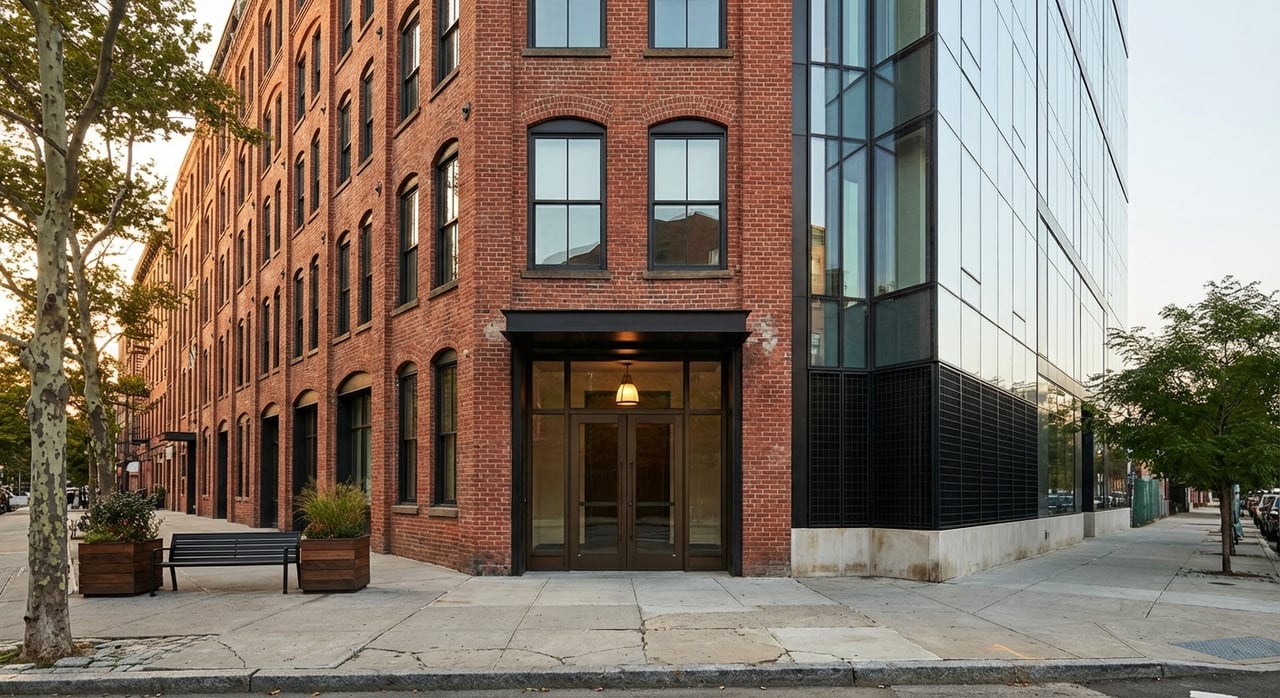
Converted lofts and boutique condos
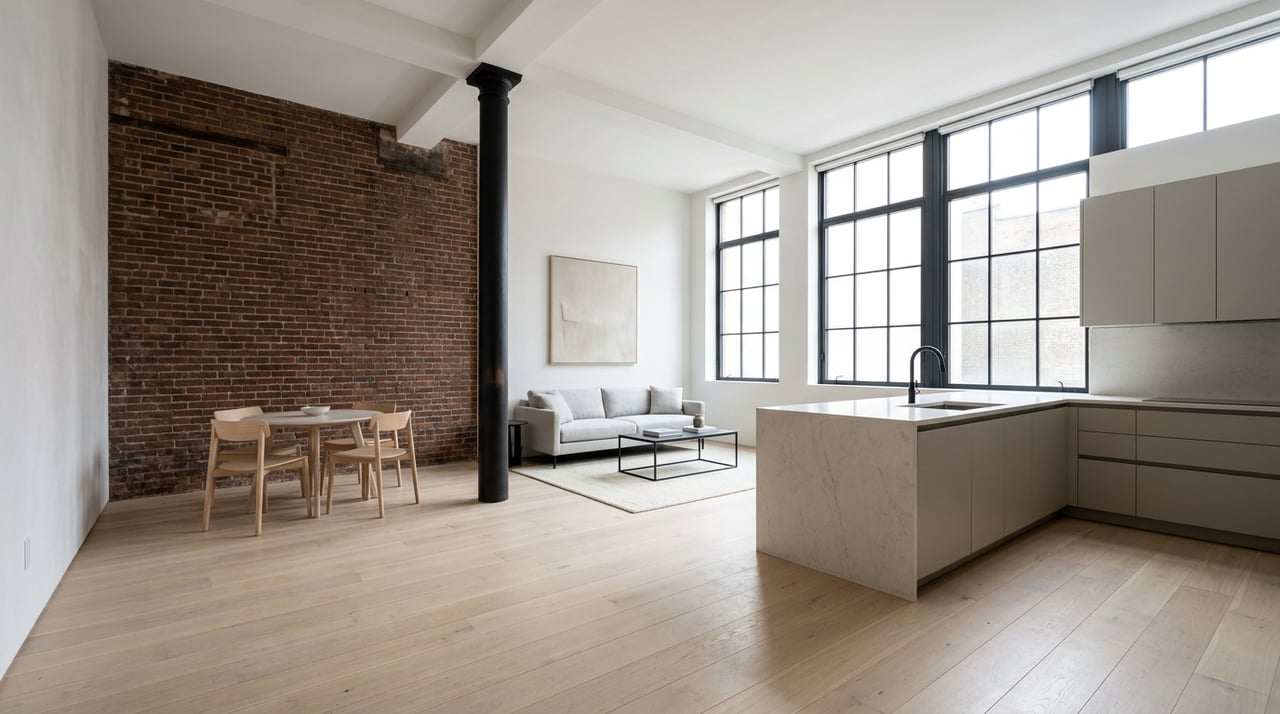
You will find older loft or warehouse conversions with high ceilings, big windows, and a more intimate feel. These buildings usually have fewer services and smaller amenity packages, which can keep monthly common charges lower. Review the building’s capital plan closely, since major items like façade work or elevator upgrades can lead to special assessments.
New mid- and high-rise towers
Large mixed-use towers deliver the full-service lifestyle: professional staffing, modern gyms, landscaped roof decks, lounges, playrooms, and sometimes pools. These features drive higher asking prices and higher monthly charges. A helpful reference point is the amenity program at The Brooklyn Tower, which includes a Life Time–branded fitness club, outdoor pool deck, screening rooms, sky lounges, and extensive resident spaces. Get a feel for top-tier amenity density.
Amenities and monthly costs
Amenities influence your quality of life and your monthly budget. Common features span package rooms and part-time or 24/7 staff, fitness centers, roof decks, lounges, children’s rooms, bike storage, coworking areas, and sometimes indoor pools or parking. The services that require staffing and significant maintenance, like a pool or full-time concierge, are the biggest drivers of higher common charges.
Citywide reporting shows Brooklyn and Queens condos often range around $1 to $2 or more per square foot per month, with higher figures common in full-service Manhattan towers. Any one building can sit above or below those ranges, so always verify the current budget, reserves, and whether any special assessments are active. For a deeper look at what drives monthlies, see this industry overview. Learn how common charges work.
Here are simple examples to frame expectations. Your building will vary.
- 600 sq ft home at $1.50/sq ft → about $900/month in common charges.
- 900 sq ft home at $1.50/sq ft → about $1,350/month.
- 1,200 sq ft home at $1.75/sq ft → about $2,100/month.
Beyond common charges, condo owners receive separate property tax bills from the NYC Department of Finance. Most condos are taxed as Class 2 properties. It is important to confirm whether your unit benefits from any tax abatements and when those end. Review how NYC property tax billing works.
Also budget for utilities and insurance. Some buildings include heat or hot water in common charges, others do not. You will carry an HO-6 policy for your unit, while the building’s master policy is paid from common charges.
Closing costs to plan for
Buying a condo in NYC includes several line items. Typical buyer-side closing costs may include attorney fees, bank and appraisal fees, title and recording charges, the Mortgage Recording Tax if you finance, and state and city transfer taxes depending on price. Purchases at or above $1,000,000 trigger New York State’s mansion tax, starting at 1 percent at the basic threshold, with higher brackets above that level. Always ask your attorney or title company for an itemized estimate that reflects your exact price point and loan size. See a practical NYC closing-cost overview.
Lenders also look closely at building health. Many programs review budgets, reserve levels, insurance, and whether a high share of owners are delinquent on common charges. If the building’s finances are weak, financing can be limited, which affects both buyers and future resale.
Transportation and daily life
Transit is a major advantage here. The Atlantic Avenue–Barclays Center complex connects you to multiple subway lines along with the LIRR at Atlantic Terminal, which puts both Midtown and Lower Manhattan within an efficient commute. Check the Barclays Center station and transit hub details.
Local stations like Jay St–MetroTech, Borough Hall, and Nevins add cross-Brooklyn and Manhattan options, and the MTA has continued to roll out customer-service centers to improve rider experience. See the latest MTA station update.
If you prefer alternatives, NYC Ferry’s South Brooklyn route serves nearby landings in DUMBO and at Atlantic Avenue in Brooklyn Bridge Park. Explore the South Brooklyn route. Downtown’s protected-bike-lane network also continues to improve access; Schermerhorn Street’s two-way protected lane is one example of safer east–west cycling. Review the Schermerhorn Street redesign.
How it compares to nearby brownstone areas
Downtown Brooklyn offers a denser, more vertical lifestyle with many new-construction condos and full-service buildings. You will often find immediate access to major retail, grocery, and entertainment at large mixed-use centers like City Point. If you prioritize newer building systems, concierge-style services, and many direct transit choices, Downtown aligns well.
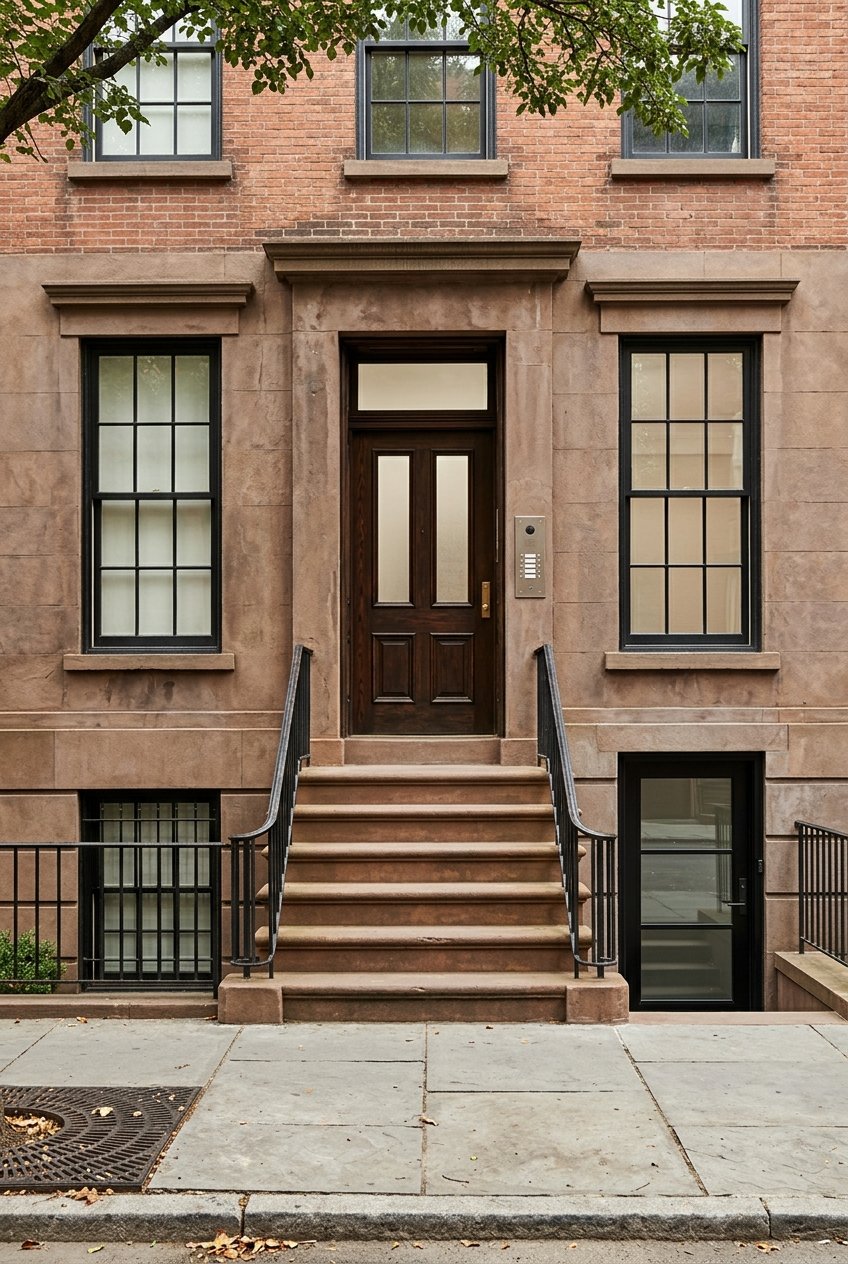
Nearby brownstone neighborhoods like Brooklyn Heights, Fort Greene, or Boerum Hill lean lower-rise and historic in character, with smaller-scale retail and a quieter feel on residential blocks. These areas usually offer fewer high-rise amenities and a different ownership experience. Choose based on your priorities: convenience and tower amenities in Downtown, or townhouse scale and historic streetscape in the brownstone belt.
Buyer due-diligence checklist
Ask for and review these items before you make an offer:
- Two years of audited financials plus the current budget. Focus on payroll, insurance, utilities, and reserve fund balance. Learn why budgets matter.
- A schedule of recent and upcoming capital projects and any special assessments. Note façade work, elevator replacements, HVAC upgrades, and Local Law 97 planning.
- The offering plan for new development or the condominium declaration and house rules for resales. Confirm subletting rules, pet policy, usage guidelines, rental caps, investor percentages, and short-term rental policies.
- Exact common charges and what they include. Ask which utilities are in common charges, whether internet is provided in common areas, and whether there is on-site parking or a waitlist.
- Details on any tax abatements and how they transfer on sale. This affects future tax bills. Confirm tax class and billing rules.
- Lender availability. Ask whether major lenders are currently financing in the building, and whether any agency lists limit loans due to reserves or insurance.
Is Downtown Brooklyn condo living right for you?
If you want modern finishes, strong amenity packages, and fast access to many subway lines and the LIRR, Downtown Brooklyn is a strong match. If you prefer a lower-rise streetscape and a quieter rhythm right outside your door, a nearby brownstone neighborhood may suit you better. The right fit comes from matching your daily routine, budget, and long-term plans to the building’s services and policies.
Ready to compare buildings, line up the real numbers, and tour efficiently? Reach out to Gulnara Yunussova to get neighborhood-specific advice and access to on- and off-market options. Schedule a free consultation and make your next move with confidence.
FAQs
What are typical monthly charges for a Downtown Brooklyn condo?
- Many Brooklyn condos fall roughly around $1 to $2 or more per square foot per month, but your exact fee depends on the building’s staffing, insurance, and amenities; always verify on the current budget and financials.
Are big-amenity towers worth the higher fees in Downtown Brooklyn?
- If you will use the services often and value on-site convenience, the premium can be worthwhile; if you prefer lower monthlies and a simpler lifestyle, a boutique or conversion building may be a better fit.
How do NYC property taxes work for condos compared with co-ops?
- Condo owners receive a separate property tax bill, while many co-ops bundle taxes into maintenance; confirm your unit’s tax class, any abatements, and the quarterly payment schedule.
What closing costs should I expect when buying a Downtown Brooklyn condo?
- Plan for attorney, bank and appraisal fees, title and recording charges, the Mortgage Recording Tax if you finance, and state and city transfer taxes including the mansion tax on purchases at or above $1,000,000.
How is the commute from Downtown Brooklyn to Manhattan?
- You have many direct choices via multiple subway lines and the LIRR at Atlantic Terminal, with travel times that make both Midtown and Lower Manhattan commutes straightforward for most routes.