Thinking about moving to New York with kids and wondering where daily life will actually work? If you want a calm, connected neighborhood with classic Brooklyn character, Cobble Hill deserves a serious look. The streets feel residential, the shops cover real needs, and the commute choices give you flexibility. In this guide, you’ll learn what families like about Cobble Hill, the housing types and tradeoffs to expect, how commutes stack up, and a simple plan to shortlist and tour from out of town. Let’s dive in.
Cobble Hill at a glance
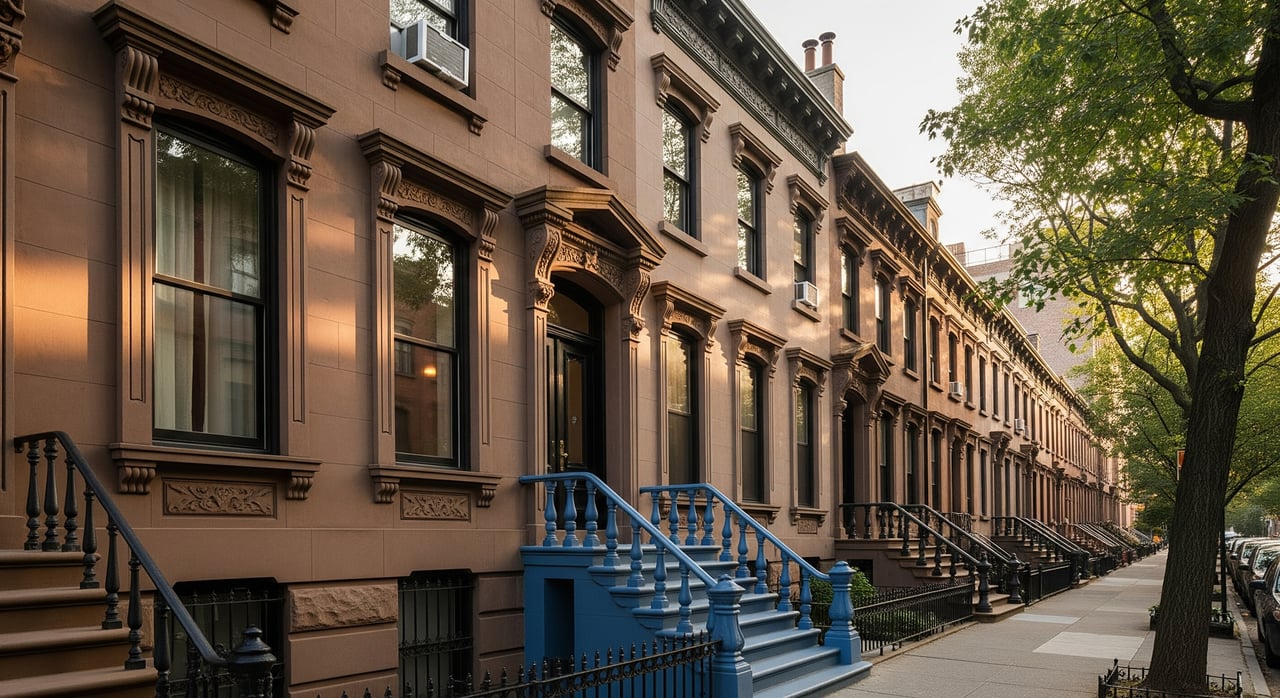
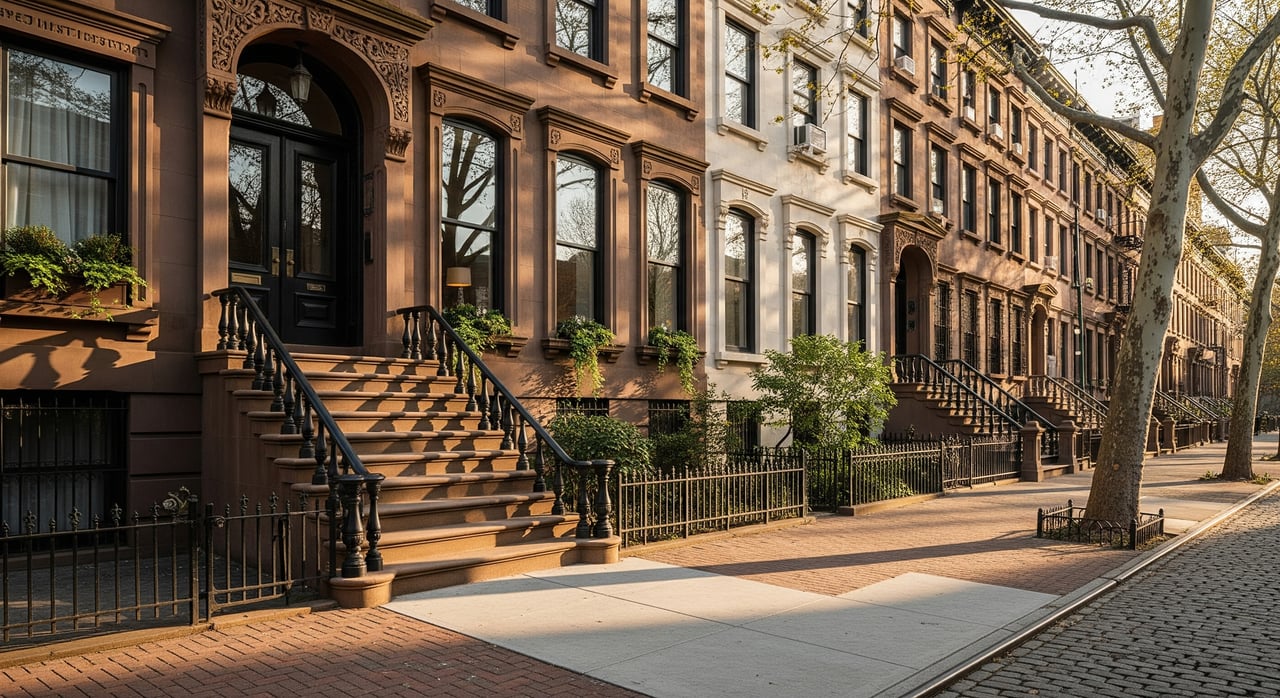
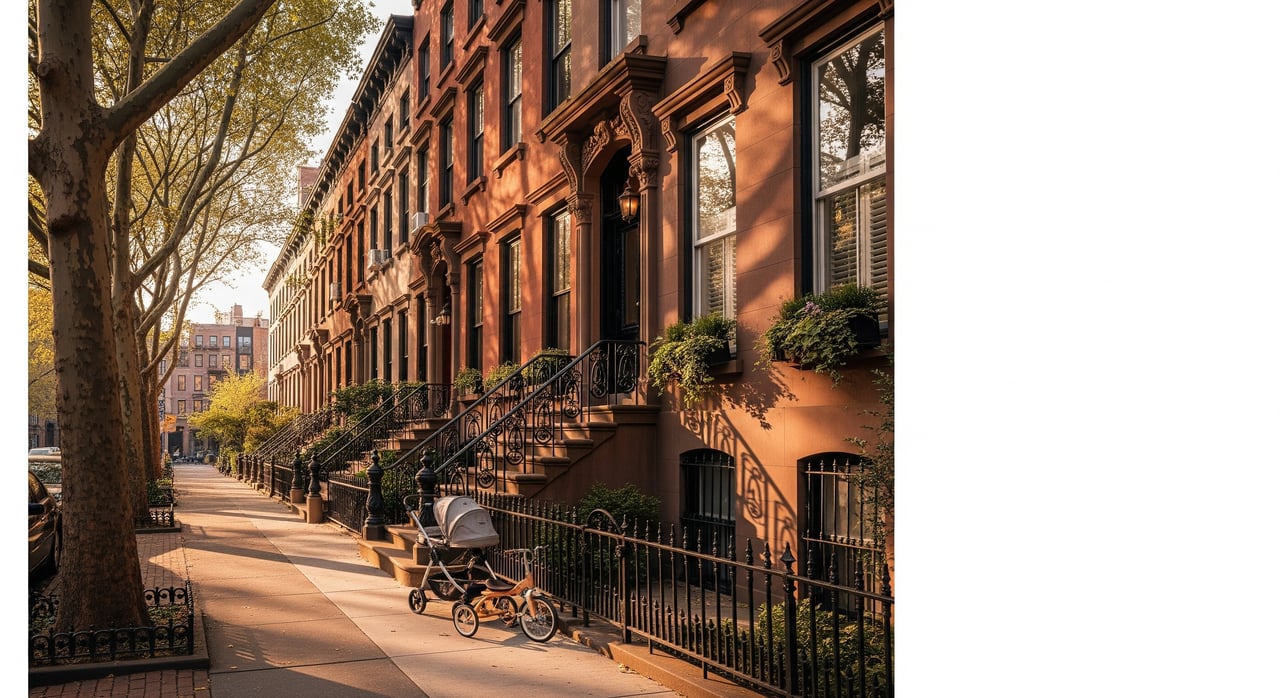
Cobble Hill is a small, historic Brooklyn neighborhood bordered by Brooklyn Heights, Carroll Gardens, and Boerum Hill. You’ll see low-rise brownstones, tree-lined blocks, and local storefronts along Court Street and Smith Street.
For families, the daily rhythm is appealing. You can walk to parks and playgrounds, grab groceries and pharmacy items along the main corridors, and find family-friendly restaurants and cafes. The area is mostly 19th-century rowhouses with a mix of small co-op and condo buildings, plus a limited number of modern condos.
Because of historic-preservation overlays, renovations often need to align with landmark rules, especially on façades. If you plan to buy and update, factor in review timelines and scope limits.
Why families choose Cobble Hill
- Walkability for errands, school drop-offs, and playground time.
- Quiet residential streets with a strong sense of community.
- Access to nearby green spaces. Cobble Hill Park is a local favorite for playtime and seasonal programming. Brooklyn Bridge Park is a short trip for waterfront walks and sports.
- Everyday retail on Court Street and Smith Street covers groceries, specialty food, pharmacies, and children’s shops.
The tradeoff: inventory is limited and larger apartments or townhouses are competitive. Many homes have little or no private outdoor space, and on-street parking is tight. If you need a yard or a parking spot, plan to prioritize those filters early.
Commutes and getting around
Cobble Hill offers multiple ways to reach Manhattan. Several subway lines are accessible from nearby stations, and local buses connect across Brooklyn. Many families head to Lower Manhattan in about 10 to 30 minutes depending on the exact address and line. Midtown commutes typically take longer and often involve a transfer, commonly 30 to 50 minutes or more.
If you commute by car, you can reach the Brooklyn Bridge and Lower Manhattan quickly outside peak traffic. Ferries and Long Island Rail Road options are accessible in nearby neighborhoods.
Airports are generally 30 to 60 minutes away from central Brooklyn, depending on traffic and time of day. Leave extra time during rush hours.
Before you commit, verify commute times from your specific address during your preferred travel window. Check current MTA service advisories and maps when planning.
Housing types and budgets
You will see four main options in Cobble Hill:
- Brownstones and townhouses. Multi-level living with stoops and often small rear yards. These are popular with families seeking space and private outdoor areas.
- Co-op apartments. Common in older buildings. Co-ops usually offer a lower entry price than condos but include a board review and specific rules.
- Condominiums. Less common than co-ops but growing through conversions and select new builds. Condos are often simpler for out-of-town buyers due to fewer administrative steps.
- Rental apartments. A mix of walk-ups and amenity buildings. Larger two- and three-bedroom rentals come up, but selection can be limited and varies by season.
As an upper-tier Brooklyn neighborhood, Cobble Hill tends to carry a price premium. One-bedroom co-ops and condos are more affordable than multi-bedroom units or townhouses. Family-sized homes and brownstones often command the highest prices. For rentals, expect one- and two-bedrooms to start in the “several thousand dollars per month” range, with larger two- and three-bedrooms higher depending on finishes and location.
Market conditions can shift quickly with interest rates, inventory, and seasonality. Use current local reports to set expectations and ranges, and compare across multiple reputable sources. Always request recent comps when you are ready to offer.
Co-op vs condo essentials for relocators
- Co-ops. Lower purchase price is common, but expect stricter board approval, higher down payment requirements, and rules for subletting and pets. You will prepare a detailed board package and often an interview. Plan for longer timelines.
- Condos. Easier to buy and resell, more flexible on renting, and typically higher price per square foot. Out-of-town buyers often prefer condos for fewer steps and faster closings.
Ownership costs to plan for
- Co-ops: monthly maintenance and property tax (within maintenance).
- Condos: common charges plus property tax.
- Townhouses: primarily property tax and utilities; add reserves for maintenance and potential capital work.
Also consider household costs such as childcare, and plan for potential building assessments. You can review property tax history and recent sales through the NYC Department of Finance.
Schools, childcare, and health care
Cobble Hill is served by NYC public schools. School zones can vary by address, so confirm the current assignment using the NYC Department of Education and its Find a School tool. Private and parochial schools are available in nearby neighborhoods such as Brooklyn Heights and Carroll Gardens.
Daycare and early-childhood programs are well represented in the area, but waitlists are common. Contact programs early, consider backup options, and ask about age-group capacity and rolling admissions.
Pediatricians, urgent care, and hospitals are accessible within Brooklyn and Manhattan. If you are expecting or have young children, map preferred providers and know the nearest hospital coverage for newborn care.
For a fuller sense of local statistics and resources, you can explore neighborhood data through NYC Open Data.
Shopping and daily conveniences
Court Street and Smith Street offer grocery stores, specialty food shops, pharmacies, and family-oriented retail. Weekend farmers’ markets and specialty markets are common nearby. Most daily errands are walkable, and delivery services are well supported.
Cobble Hill Park anchors community life with playgrounds and seasonal events. Neighborhood associations and community centers host family programs and storytimes throughout the year.
A simple shortlist for out-of-town buyers
Use this five-step framework to move from broad search to targeted tours:
- Define non-negotiables. Bedrooms, outdoor space, elevator vs walk-up, proximity to parks or a specific school zone, commute limit, budget, and pet rules.
- List nice-to-haves. In-unit laundry, private outdoor space, renovated kitchen, primary suite bath, finished basement, or parking.
- Filter the inventory. Choose building type (co-op vs condo vs townhouse vs rental), micro-location within Cobble Hill, and school zoning if relevant.
- Model carrying costs. Compare maintenance or common charges, taxes, estimated utilities, and likely renovation needs against your monthly budget.
- Prioritize tours. Select 6 to 10 for virtual review, then shortlist 3 to 4 for in-person previews on one visit.
How to prep for a focused tour day
Plan a one- or two-day visit with tightly grouped appointments so you can compare nearby blocks and building types.
Logistics to handle in advance:
- Request floor plans, building financials, and offering plans where available.
- For co-ops and condos, ask for pet policies, sublet rules, and recent assessment history.
- Check MTA service advisories for the travel day and confirm driving routes.
On the walk-through, look for:
- Noise levels, natural light, and window condition.
- Storage, closet size, ceiling height, and layout flow for sleep and play.
- Kitchen and mechanical condition, signs of damp or mold, and any odors.
- Safety features such as window guards and stair gating potential.
Building questions to ask:
- Current maintenance or common charges and recent changes.
- Reserve fund status and planned or recent capital projects.
- Elevator service history, trash and recycling procedures, security measures, and laundry setup.
For townhouses, verify:
- Property taxes and any recent structural reports.
- Basement conditions and any water mitigation.
- Zoning or landmark constraints for expansions or façade work.
- Any warranties for recent renovations.
Timeline and closing considerations
Co-op purchases typically take longer due to board package preparation and review. Plan for 60 to 90 days or more from accepted offer to closing. Condos generally close faster and can fit tighter timelines.
Secure mortgage pre-approval or proof of funds before you tour. If you are not local, retain a New York buyer’s attorney and coordinate with your agent to handle deposits, escrow, and building document requests. Use virtual tours and agent-recorded walkthroughs to refine your list before you book flights. If travel is not possible, you can have a trusted representative attend inspections and final viewings.
Market timing and what to watch
Inventory in Cobble Hill is limited because of its small size and historic housing stock. Spring often brings more listings, while fall and winter can offer motivated sellers. Interest rates and financing availability will change affordability and buyer behavior.
Because this is a small neighborhood, statistics can be volatile. Different reports may show median price, average price, or price per square foot. Always note the data source and date, and compare across multiple local reports. For broader public records, the NYC Department of Finance is a useful reference.
Safety and walkability
Cobble Hill is typically described as walkable and family-friendly. As with any urban area, perceptions of safety vary block by block. Review official precinct statistics and talk to local residents for current context. You can also explore publicly available datasets through NYC Open Data for additional neighborhood information.
Ready to explore Cobble Hill?
If you want a historic, close-knit Brooklyn neighborhood with practical amenities, Cobble Hill is worth a look. Whether you are weighing a brownstone, a co-op, or a condo, a local advisor can help you balance commute times, building rules, and long-term costs.
If you are relocating from out of town, I can coordinate virtual previews, cluster your tour schedule, and guide you through co-op or condo packages step by step. I also offer multilingual support in Russian, Kazakh, and Uzbek. To start a tailored search and see off-market opportunities, connect with Gulnara Yunussova. Schedule a free consultation.
FAQs
Is Cobble Hill a good choice for families moving to NYC?
- Yes. Families often choose Cobble Hill for its walkability, residential blocks, parks, and strong everyday retail along Court and Smith Streets, with the tradeoff of limited inventory and a price premium.
What are typical commute times from Cobble Hill to Manhattan?
- Many Lower Manhattan commutes take about 10 to 30 minutes depending on the line and address; Midtown often takes 30 to 50 minutes or more with transfers. Always check MTA advisories and test door-to-door timing.
What housing types can I find in Cobble Hill?
- You will see brownstones and townhouses, co-op apartments in older buildings, a growing selection of condos, and a mix of rentals. Larger family-sized rentals and townhouses are in highest demand.
How do co-ops and condos differ for relocating buyers?
- Co-ops often cost less upfront but require a board package and stricter rules, which can extend timelines. Condos are generally simpler to buy and rent, with faster closings and higher price per square foot.
How should out-of-town buyers plan a first tour?
- Define must-haves, filter by building type and location, review costs, and use virtual tours to pre-screen. Then group 3 to 4 top homes for one in-person visit and bring a checklist for building questions and walk-through observations.