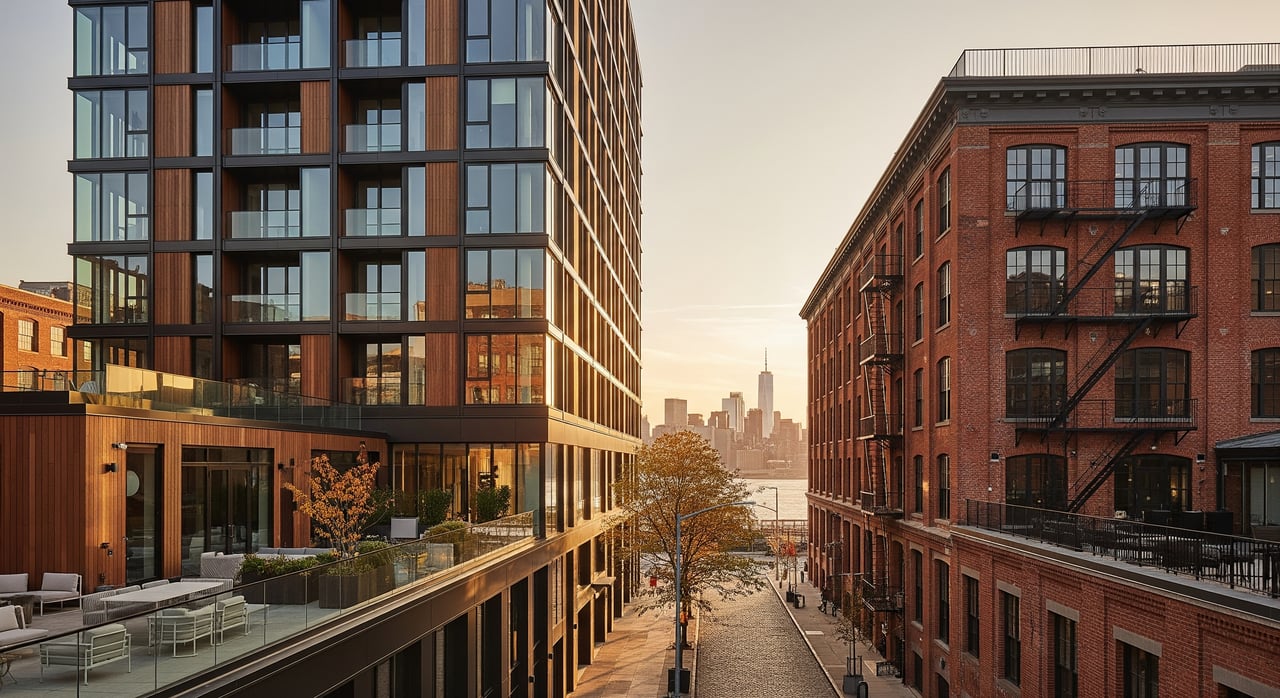
Thinking about buying a condo in Williamsburg but unsure whether a brand‑new building or a resale makes more sense? You want the right mix of lifestyle, carrying costs, and long‑term value. In this guide, you will learn how new development and resale condos compare on amenities, finishes, monthlies, incentives, financing, and resale prospects in Williamsburg, Kings County. You will also see where professional guidance protects your deposit, timeline, and ROI. Let’s dive in.
Condos only: what this covers
This article focuses on Williamsburg condominiums, not co‑ops. Condos and co‑ops have different rules, board processes, and financing paths. When you compare options, make sure you are looking at condos on both sides of the equation.
Williamsburg market context
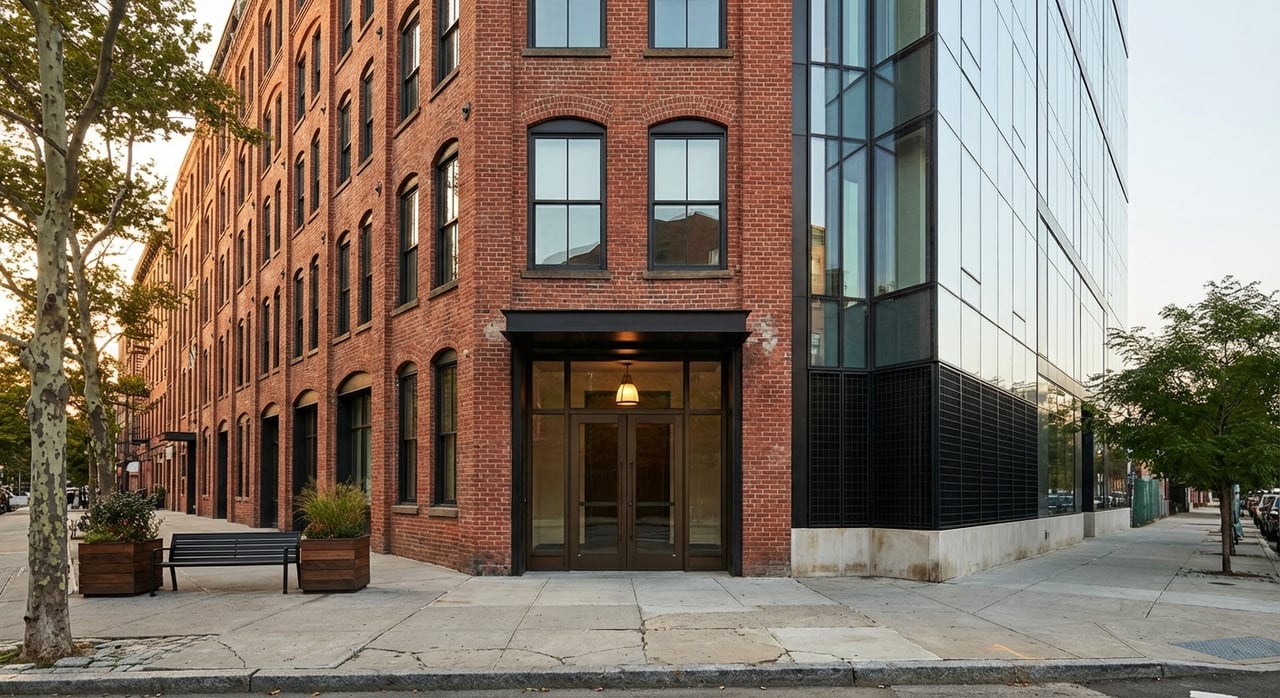
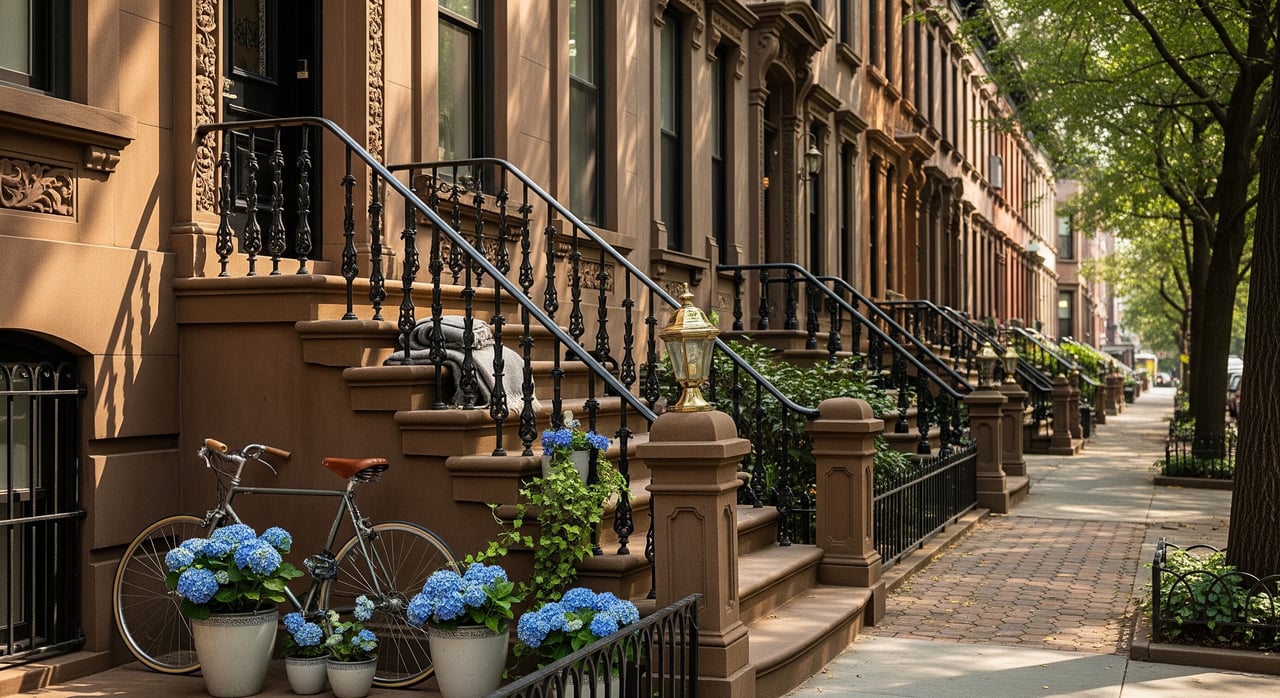
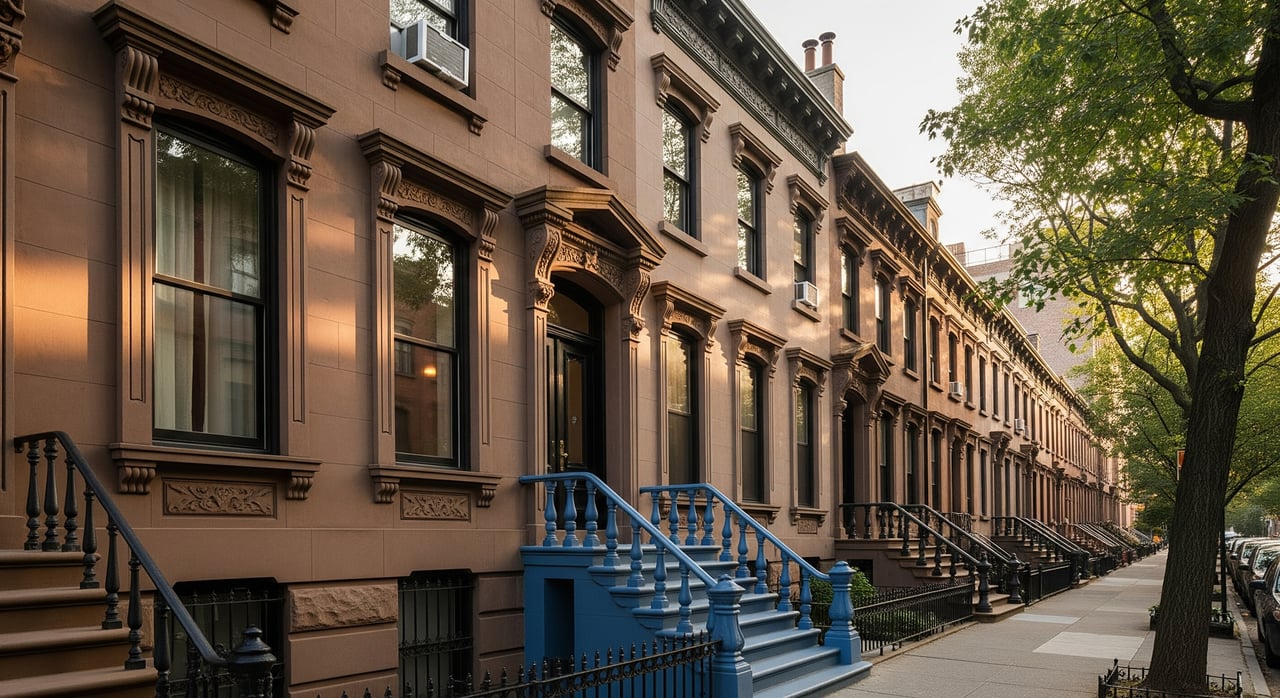
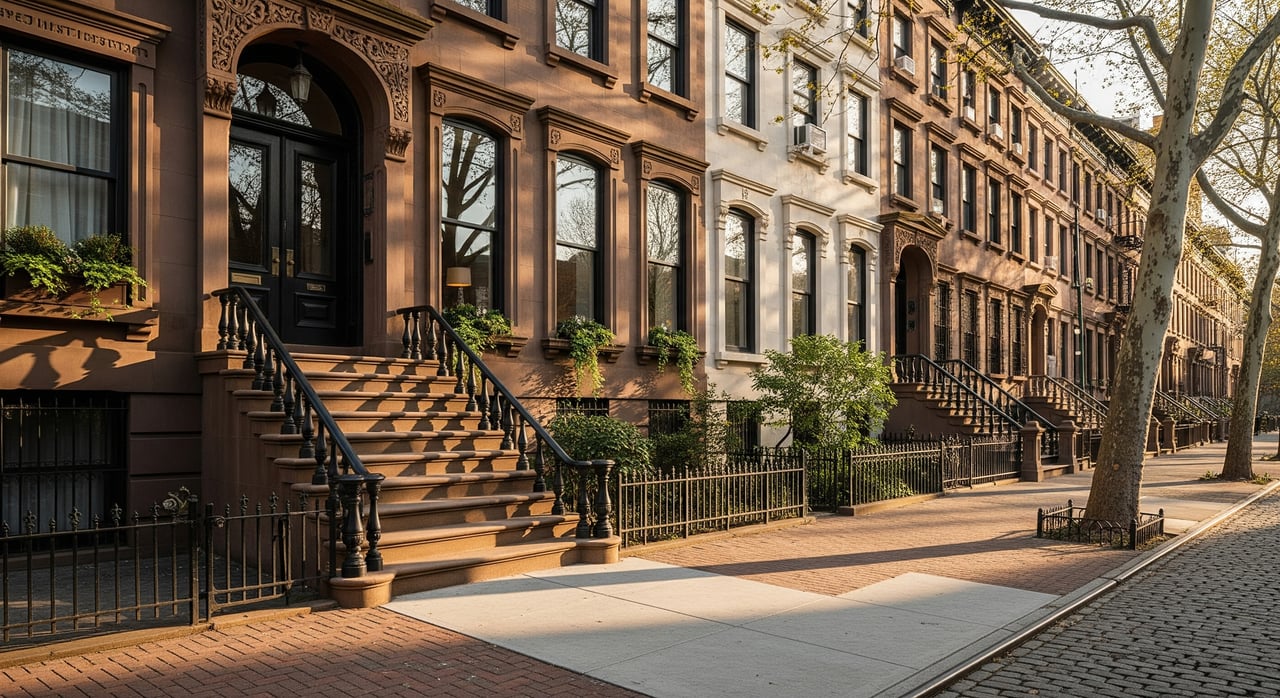
Williamsburg spans the East River waterfront to the blocks closer to Bushwick and Bedford‑Stuyvesant. New development clusters along the waterfront and former industrial corridors. Resale options are common in low‑rise brownstones, mid‑rise walk‑ups, and established condo conversions inland.
Buyer demand comes from local end users and investors who value transit access, nightlife, and waterfront parks. The L and G trains support steady rental and resale interest. These fundamentals matter when you evaluate appreciation and rentability over time.
Amenities and lifestyle tradeoffs
New developments usually deliver a full amenity package: doorman or concierge, fitness centers, roof decks, lounges, bike rooms, and sometimes parking or on‑site retail. These features improve daily life and can help your unit stand out in the rental market. They also raise operating costs, which show up in your common charges.
Resale condos often provide fewer amenities. Many have a laundry room, sometimes a doorman, and well‑kept common areas. The upside is simpler operations and often lower monthlies. Some established buildings add amenities through capital projects, but that can lead to special assessments. Match the amenity level to how you will use the home and how you expect to monetize it.
Finishes, layouts, and systems
New developments tend to feature open layouts, modern kitchens and baths, energy‑efficient windows, and newer mechanicals. You may see central HVAC or in‑unit systems, high‑quality appliances, and smart‑home features. The appeal is straightforward: fewer immediate repairs and less surprise maintenance.
Resale condos vary. Some are recently renovated at a high level. Others keep original finishes or have smaller kitchens, different storage, or older systems. On the plus side, resales can offer larger room proportions or character details that feel unique. If you plan to renovate, build that budget into your total cost of ownership.
Monthly costs and what drives them
Common charges cover shared expenses like staffing, utilities that the building pays, amenity upkeep, insurance, and contributions to reserves. Real estate taxes also factor into your monthly carrying costs. In new buildings with larger amenity packages, common charges are often higher. Some sponsors offer temporary concessions that reduce your effective monthly cost for the first months or year.
Established resale buildings may show lower common charges if services are leaner. Be sure to review the building’s reserve fund and any planned capital projects, since special assessments can change the math. Always compare common charges on a per‑square‑foot basis and check exactly which utilities are included.
Quick monthly‑cost checklist
- What do common charges include and exclude? Heat, water, gas, electricity, concierge?
- Are there sponsor concessions covering monthlies or taxes for a period?
- Is there a current or upcoming special assessment? Why and for how long?
- What is the building’s reserve fund level and capital plan for the next 3 to 5 years?
Pricing, contracts, and timelines
When you buy a new‑development condo, you purchase from the sponsor under an offering plan. Deposits are typically staged, often totaling 10 to 20 percent before closing, with the remainder due at closing. Price flexibility depends on market absorption. Early phases may be less negotiable, while later phases might include incentives. Your closing date is tied to construction and certificate of occupancy. Delays are common, so you need a realistic timeline and a plan for schedule shifts.
A resale condo follows a standard purchase contract between you and the seller. You negotiate price and terms and close based on your mortgage timeline and the condo’s standard requirements. The process is simpler than a sponsor sale, but you still need to confirm building financials, policies, and pending projects before you commit.
Incentives and financing tips
Sponsors use concessions to help sales velocity. You might see temporary payment of common charges or taxes, closing cost credits, or upgrade packages. These offers are time‑limited and can materially improve your effective cost. Compare incentives on a dollar basis against your monthly and closing costs.
Financing rules can differ. Lenders often set stricter requirements for early‑phase sponsor units. You may face higher down payments, reserve requirements, or a minimum percentage of units that must be sold or occupied. Appraisal gaps can happen if pricing is above nearby resales. Have a plan for a possible cash bridge. Work with a lender who has experience with New York City new developments so you are not surprised by building‑level underwriting.
Deposit and contingency notes
- Sponsor deposits are often non‑refundable after specific milestones unless the sponsor defaults. Know your dates and conditions.
- Mortgage contingencies may be available in sponsor contracts, but the structure can differ from resales. Your attorney should explain the risks and timelines.
Resale prospects and ROI
Modern amenities and new systems help new developments attract renters and future buyers. Warranties can reduce near‑term risk. The tradeoff is a higher initial price that can limit short‑term upside, especially if many similar units are selling at once.
Resale condos can offer a lower price basis and predictable comps. If you can renovate strategically, you may create value. The potential drawbacks are older systems, deferred maintenance, and layouts or finishes that are less aligned with current tastes. Your appreciation depends on neighborhood fundamentals, the supply of new units, and broader interest rate and financial conditions.
Investor considerations
- Analyze current rental comps by unit size and micro‑location.
- Underwrite both gross and net yield after common charges, taxes, insurance, vacancy, and management.
- Review rental policies, minimum lease terms, and any leasing windows.
- Note that New York City has strict short‑term rental rules. Do not assume short‑term income in your pro forma.
Taxes, fees, and carrying costs
- New York State and New York City transfer taxes apply to closings. In sponsor sales, who pays which taxes can be negotiable and should be clarified up front.
- Property taxes on new buildings may be influenced by abatement schedules or assessments that change over time. Confirm the current status and the outlook in the offering plan or building documents.
- Special assessments in older buildings can affect your net return. Always request financials and meeting minutes.
When to bring in pros
Buying a condo in Williamsburg is straightforward when you have the right team. Each specialist protects you at a different stage.
Real estate attorney
Your attorney reviews the sponsor offering plan and building documents. They flag sponsor rights, leasing rules, reserve funding, and the deposit schedule. They also explain timelines, warranties, and remedies for delays. For resales, they review building financials, house rules, and any known projects.
Lender or mortgage broker
Choose a lender with experience in New York City condos and new developments. They will guide you through building‑level underwriting, appraisal risk, and reserve requirements. Ask for a clear plan if an appraisal comes in below contract price.
Buyer’s agent with local expertise
A local buyer’s agent benchmarks pricing, incentives, and micro‑market dynamics across Williamsburg’s subareas. Your agent can help you negotiate sponsor concessions, compare monthlies on a per‑square‑foot basis, and identify value in established resales.
Inspector, architect, or contractor
For resales, an inspection helps you price renovations and spot deferred maintenance. For new construction, a thorough punch‑list and review of warranty coverage set expectations before you close.
Accountant or tax professional
If you are investing, ask about depreciation, the impact of different holding periods, and long‑term planning for capital gains. Explore options for property tax appeals when appropriate.
Quick comparison checklist
Use this list to compare a specific new‑development condo with a specific resale unit:
- Common charges per square foot and what they include
- Sponsor concessions or closing credits and their duration
- Any tax abatement details or projected tax changes
- Deposit schedule, refundability, and mortgage contingency terms
- Leasing rules, minimum lease terms, and any sponsor leasing rights
- Reserve fund level and planned capital projects
- Recent resale prices and rental comps for the immediate area
- Lender requirements for the building, including minimum sold or occupied percentages
- Construction or conversion timeline and remedies for delays
Which path fits your goals
If you want a turnkey lifestyle and easy rentability, a new development can be compelling. You will likely pay more up front and carry higher monthlies, but you get modern layouts, amenities, and new systems that reduce near‑term maintenance.
If you want a lower entry price or room to add value, a resale can be strategic. You may face older systems and fewer amenities, but well‑chosen improvements can lift your equity over time. In both cases, focus on fundamentals: your price basis, monthly costs, the building’s financial health, and the local rental and resale comps.
Ready to compare specific buildings and numbers in Williamsburg? Schedule a free, no‑pressure consult. With new‑development advisory, investor experience, and neighborhood‑level insight, Gulnara Yunussova can help you navigate sponsor contracts, financing, and the best options for your goals.
FAQs
What are typical amenities in new Williamsburg condos?
- Expect doorman or concierge, fitness centers, roof decks, lounges, and bike rooms, which boost lifestyle and rental appeal but often raise common charges.
How do common charges differ between new and resale condos?
- New buildings with full amenities usually have higher monthlies, while established resales can be lower, but you must check reserves and any special assessments.
Can I get a mortgage on a sponsor unit in Williamsburg?
- Yes, but some lenders require higher down payments, building sales thresholds, or extra reserves, so work with a lender experienced in NYC new developments.
Are short‑term rentals allowed in Williamsburg condos?
- New York City has strict short‑term rental rules, and many condos limit or prohibit them, so do not rely on short‑term income in your investment plan.
What timelines should I expect for a new development closing?
- Closings depend on construction milestones and the certificate of occupancy, so plan for possible delays and confirm remedies in the offering plan with your attorney.