If you are thinking about life on the Upper West Side, you are probably asking a bigger question than where to live. You are asking what your days would actually feel like once the boxes are unpacked. This neighborhood stands out because it offers something many Manhattan buyers and renters want: a lifestyle built around parks, transit, culture, and everyday convenience. Let’s dive in.
Upper West Side daily life
The Upper West Side is centered in Manhattan Community District 7, which runs from 59th to 110th Streets between Central Park West and the Hudson River. According to Community Board 7, it is a vibrant community that draws residents and visitors to parks, cultural institutions, shops, restaurants, and a wide mix of architecture.
It is also large enough to feel like a complete neighborhood, not just a collection of busy avenues. Community Board 7 reports about 222,128 residents, along with four New York Public Library branches and the Library for the Performing Arts at Lincoln Center. That scale helps give the area a self-contained feel, where errands, recreation, and daily routines can often happen close to home.
Why the neighborhood feels livable
One of the strongest draws of the Upper West Side is how easy it is to settle into a routine. Furman’s latest neighborhood profile shows an 88.5% car-free commute share and a mean travel time to work of 31.2 minutes. In practical terms, that supports a lifestyle built around walking, transit, and local stops rather than car ownership.
For many people, that translates into a neighborhood that feels steady and functional. You can picture a morning coffee run, a subway trip downtown, an afternoon errand on Columbus or Amsterdam, and an evening walk by the river, all without needing to plan around a car. That rhythm is a big part of what people mean when they say the Upper West Side feels residential.
Transit on the Upper West Side
Transit is woven into daily life here. The B and C trains run along Central Park West, and Lincoln Center notes nearby accessible subway stations at 66th Street on the 1 train and 59th Street-Columbus Circle on the A, B, C, D, and 1 trains.
Bus service also helps connect the neighborhood from east to west. MTA route information includes crosstown options like the M72, M79-SBS, M86-SBS, and M96. That matters because crosstown travel can shape how easily you reach parks, museums, appointments, and other parts of your week.
What getting around may feel like
If you value flexibility, this is one of the Upper West Side’s practical strengths. The combination of subway lines, crosstown buses, and walkable streets supports a car-light routine that fits many Manhattan lifestyles.
For buyers and renters relocating from outside the city, this is often one of the first things you notice. The neighborhood is set up for movement, but it is also set up for everyday errands. That balance can make the adjustment to city living feel more natural.
Parks and outdoor space
The Upper West Side has a rare advantage in Manhattan: it is framed by major parks on both sides. On the east, Central Park offers major access points along the neighborhood, including Merchants' Gate at 59th Street, Adventure Playground near 67th Street, and Rudin Family Playground at 96th Street.
The Central Park Conservancy also highlights a roughly one-mile Upper West Side Tree Walk. That small detail says a lot about the neighborhood’s character. Even a short walk can feel scenic, varied, and built into daily life rather than saved for special occasions.
On the west, Riverside Park stretches four miles from 72nd to 158th Streets. It is an officially designated scenic landmark and includes the Hudson River Greenway, running tracks, playgrounds, dog runs, and other recreation spaces.
How parks shape the neighborhood routine
Outdoor space here is not just a bonus. It is part of the way many people structure their day. Morning runs, stroller walks, dog outings, playground time, and casual riverfront walks are all easy to fit into a normal week.
That helps explain why the Upper West Side often feels calmer than you might expect for such a central Manhattan location. You still get the energy of the city, but you also get room to step outside and reset. For many households, that balance is a major reason the neighborhood stays so appealing.
A current park update to know
If you enjoy waterfront amenities, there is one notable update. The 79th Street Boat Basin is currently closed and is expected to reopen in 2028.
That does not change the broader appeal of Riverside Park, but it is useful context if you are evaluating the riverfront experience in the near term. When you are choosing a neighborhood, these practical details matter.
Culture and everyday amenities
The Upper West Side is known for culture, but what stands out is how closely culture is tied to daily life. Lincoln Center anchors the southern end of the neighborhood between West 62nd and 65th Streets and Columbus and Amsterdam Avenues, and the campus is home to 11 resident arts organizations.
Other major institutions are woven into the area as well. The American Museum of Natural History sits on Central Park West, and New-York Historical is at 170 Central Park West. For readers who want a neighborhood with lasting civic and cultural anchors, this is a meaningful part of the Upper West Side identity.
Libraries add another layer of everyday usefulness. The neighborhood includes the St. Agnes, Bloomingdale, and Riverside branches, plus the Library for the Performing Arts at Lincoln Center. These are not just amenities on paper. They contribute to the sense that the neighborhood is designed to support real daily life.
Shopping and dining corridors
Local business groups describe the area in a way that feels consistent with how many residents experience it. Columbus Avenue BID calls Columbus Avenue a small town with a diverse blend of shopping, dining, cultural attractions, and business services.
That mix matters because convenience is often what defines a neighborhood after the excitement of moving fades. Along Columbus Avenue, the directory includes coffee shops, bakeries, groceries, wine and liquor stores, and restaurants. In other words, many of the places that support your weekly routine are right in the neighborhood.
Lincoln Square BID highlights a similar mix of shopping, dining, and performing arts in the southern section. Columbus Avenue BID also runs Open Streets on Sundays during the season, opening nine blocks to pedestrians, performers, and outdoor dining. That kind of programming can make the neighborhood feel active without losing its everyday comfort.
Upper West Side housing stock
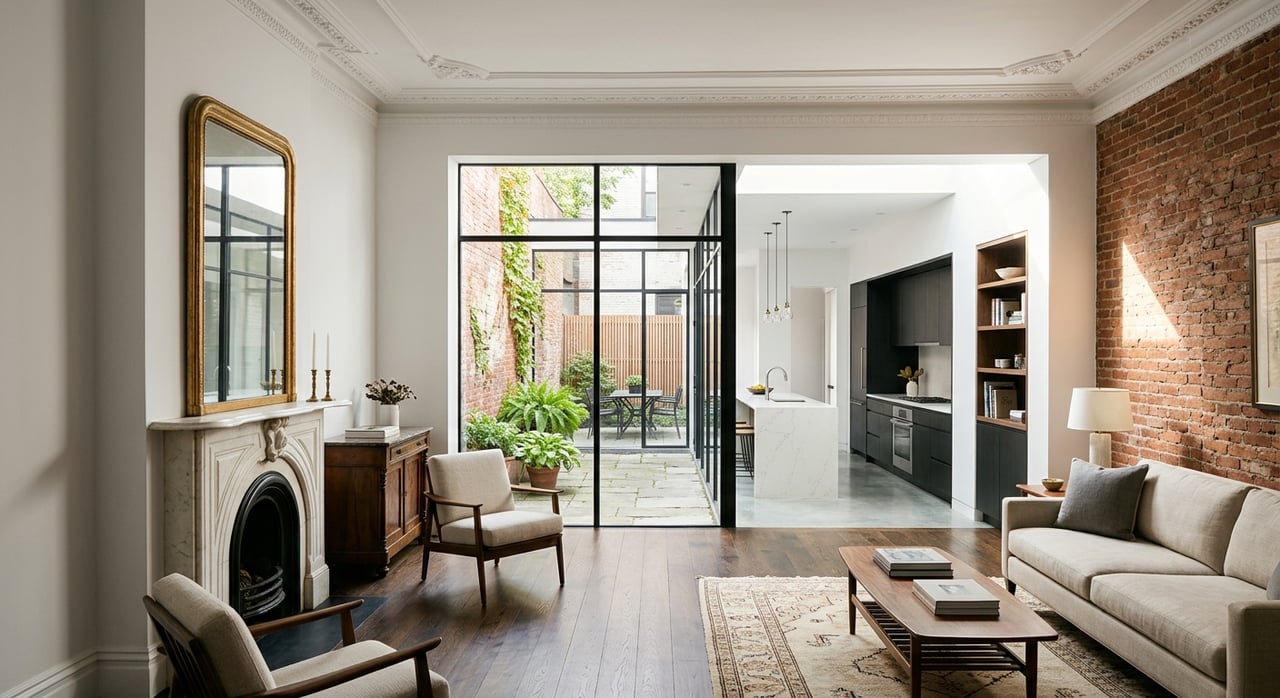
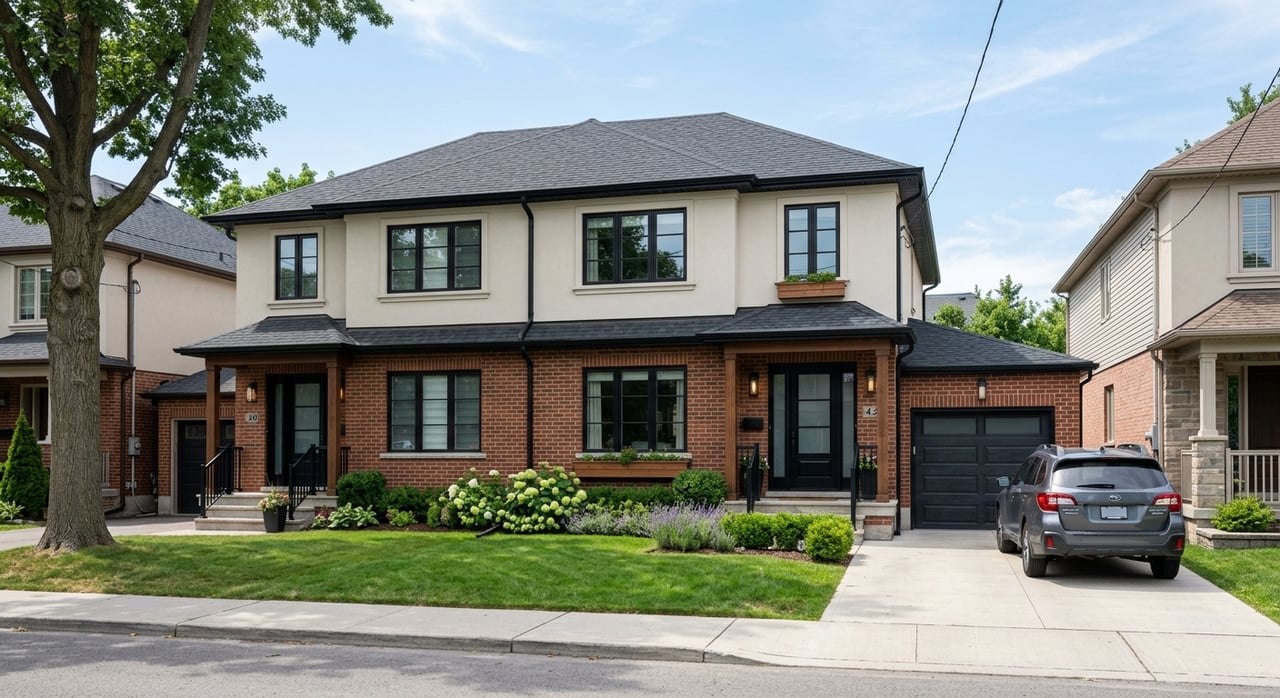
Housing on the Upper West Side is varied, which is one reason the neighborhood appeals to such a broad range of buyers and renters. A City Planning report on the West End-Collegiate Historic District Extension describes a broad array of row houses, town houses, flats, high-rise apartment buildings, schools, and churches.
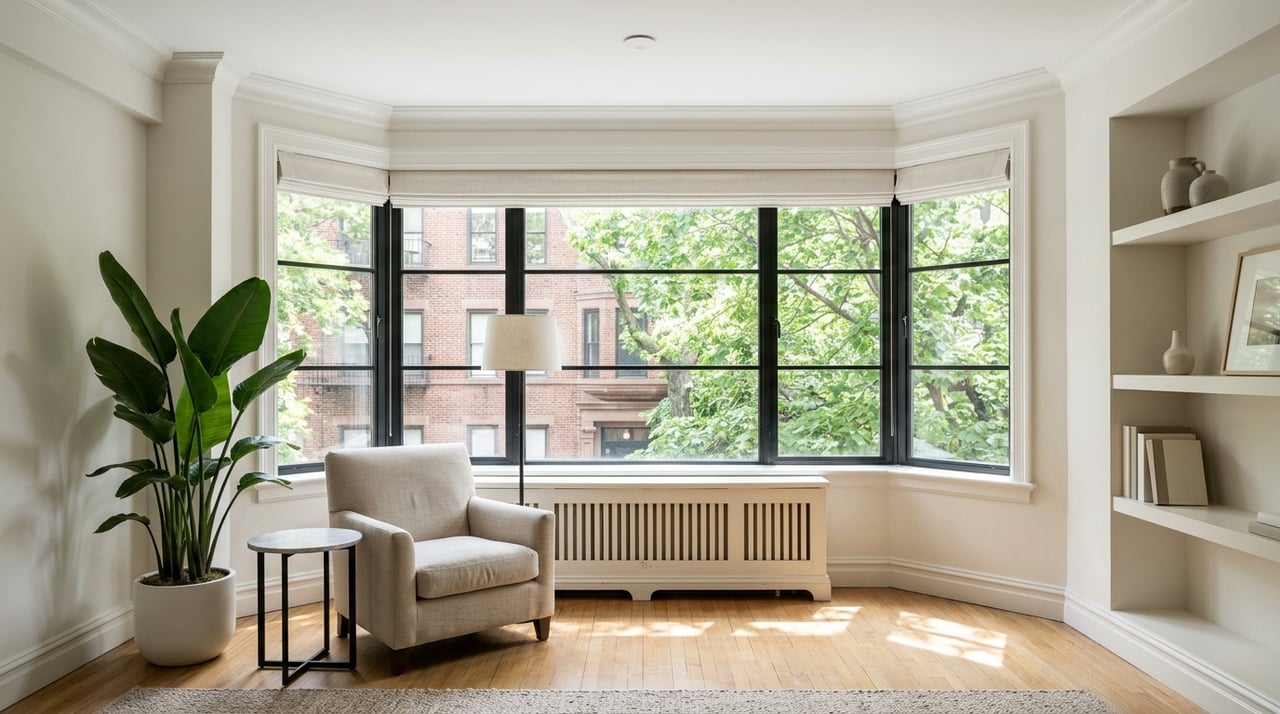
That variety shows up from block to block. Some streets feel defined by landmarked low-rise buildings and classic prewar character, while others are shaped by larger apartment buildings and a more vertical Manhattan feel. If you are home shopping here, the experience can change quickly depending on the exact street and building type.
What current housing numbers show
Furman reports 130,224 housing units in 2024 and a 36.0% homeownership rate in 2023. The same profile shows a real median gross rent of $3,000 in 2023 and a 7.9% rental vacancy rate.
For typical rental outcomes from 2019 to 2023, Furman found that the largest share of studios rented for $2,000 to $2,500, one-bedrooms for $3,000 to $4,000, and two- and three-bedrooms often above $4,000. Median condo sales price per unit was $1,522,500 in 2024. These numbers reinforce what many buyers and renters already expect: the Upper West Side is a well-established, high-cost Manhattan neighborhood.
What to expect from inventory
The neighborhood has seen some new housing, but not an overwhelming wave of it. Furman reports that 6,131 units in 4-plus-unit buildings were built between 2010 and 2024.
At the same time, 2024 saw zero residential units authorized by new building permits and 275 units issued certificates of occupancy. That suggests many buyers and renters are choosing from an established housing stock rather than a fast-changing pipeline of brand-new inventory. If you value neighborhood continuity, that can be part of the appeal.
Who the Upper West Side may suit best
The Upper West Side can be a strong fit if you want Manhattan living with a more grounded daily rhythm. It may appeal to you if your priorities include walkability, transit access, outdoor space, cultural institutions, and a neighborhood that feels functional day after day.
It can also be a practical choice if you are relocating and want a part of Manhattan that is easier to understand once you arrive. The parks define the edges, transit is well established, and the mix of services supports everyday living. For many people, the attraction is less about novelty and more about consistency.
The overall feel of calling it home
What it is like to call the Upper West Side home comes down to one word: complete. You have Central Park on one side, Riverside Park on the other, strong transit access, a dense network of libraries and cultural institutions, and housing that ranges from classic low-rise buildings to larger apartment towers.
That does not mean every block feels the same. In fact, the neighborhood’s range is part of its appeal. But if you are looking for a Manhattan neighborhood where daily life feels established, practical, and easy to picture, the Upper West Side makes a compelling case.
If you are exploring Manhattan neighborhoods or considering a move, working with an agent who understands how building type, block, and lifestyle fit together can make the process much clearer. To talk through your goals with warm, hands-on guidance, schedule a free consultation with Gulnara Yunussova.
FAQs
What is daily life like on the Upper West Side?
- Daily life on the Upper West Side often centers on walking, transit, neighborhood errands, parks, and easy access to cultural institutions and local services.
What parks are near homes on the Upper West Side?
- The Upper West Side is bordered by Central Park on the east and Riverside Park on the west, giving residents access to playgrounds, walking paths, running routes, dog runs, and the Hudson River Greenway.
What transit options serve the Upper West Side?
- The neighborhood is served by the B and C trains along Central Park West, the 1 train at 66th Street, and nearby connections at 59th Street-Columbus Circle, along with crosstown bus routes like the M72, M79-SBS, M86-SBS, and M96.
What types of homes can you find on the Upper West Side?
- The Upper West Side includes a mix of row houses, town houses, flats, high-rise apartment buildings, and other established residential building types.
What do Upper West Side housing prices look like?
- Furman reports a median condo sales price per unit of $1,522,500 in 2024, with 2023 real median gross rent at $3,000 and many one-bedroom rentals commonly falling between $3,000 and $4,000.
Is the Upper West Side a good fit for relocation to Manhattan?
- The Upper West Side can be a strong option for relocation if you want a neighborhood with clear transit access, substantial park space, established amenities, and a daily routine that feels manageable in Manhattan.