Wondering if Midwood is the right place to make your next move up in Brooklyn? If you are looking for more square footage, a private driveway or garage, or a house with room to grow, Midwood deserves a close look. This guide will help you understand Midwood’s housing stock, daily convenience, expansion considerations, and key closing costs so you can make a smart, confident move. Let’s dive in.
Why Midwood Appeals to Move-Up Buyers
For many Brooklyn buyers, moving up means balancing space, budget, and long-term flexibility. Midwood stands out because it offers a housing mix that is hard to find in many other parts of the borough.
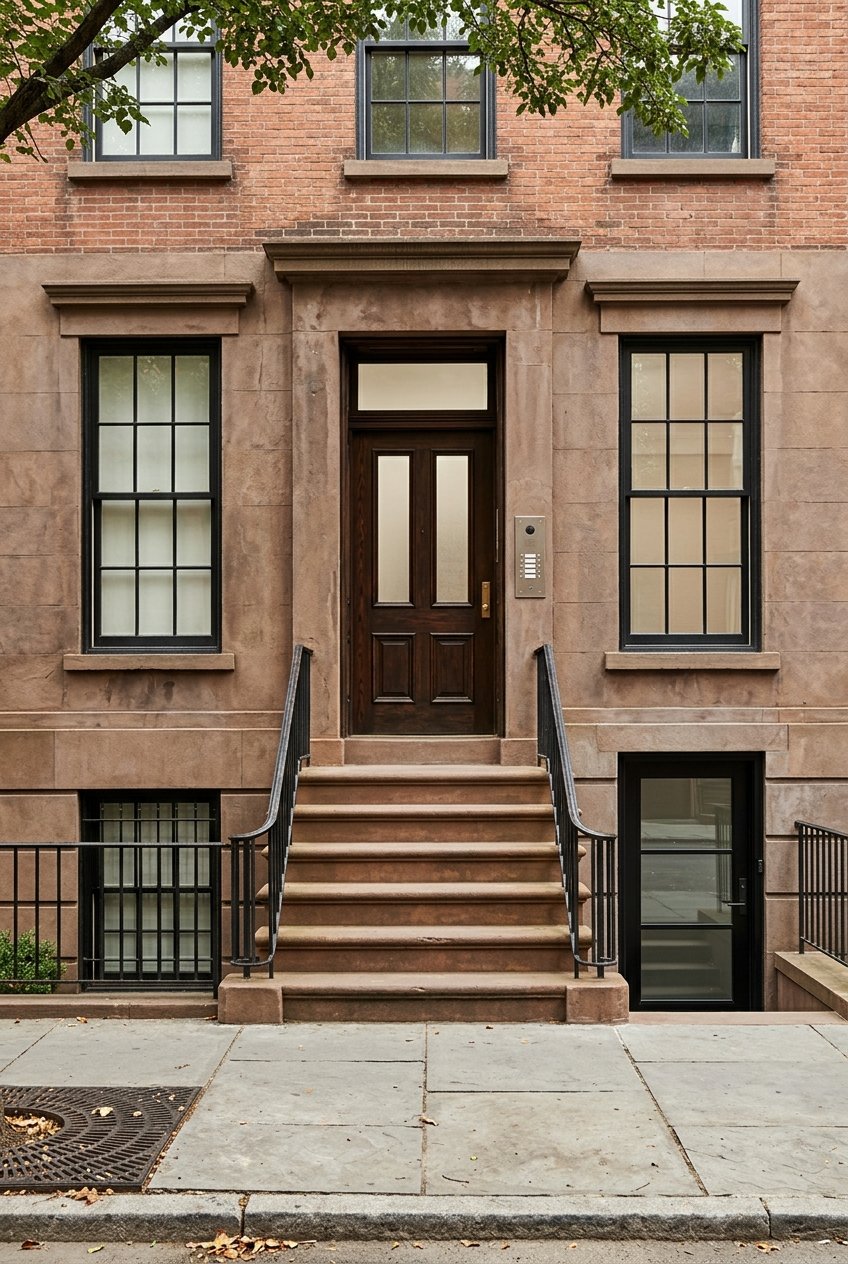
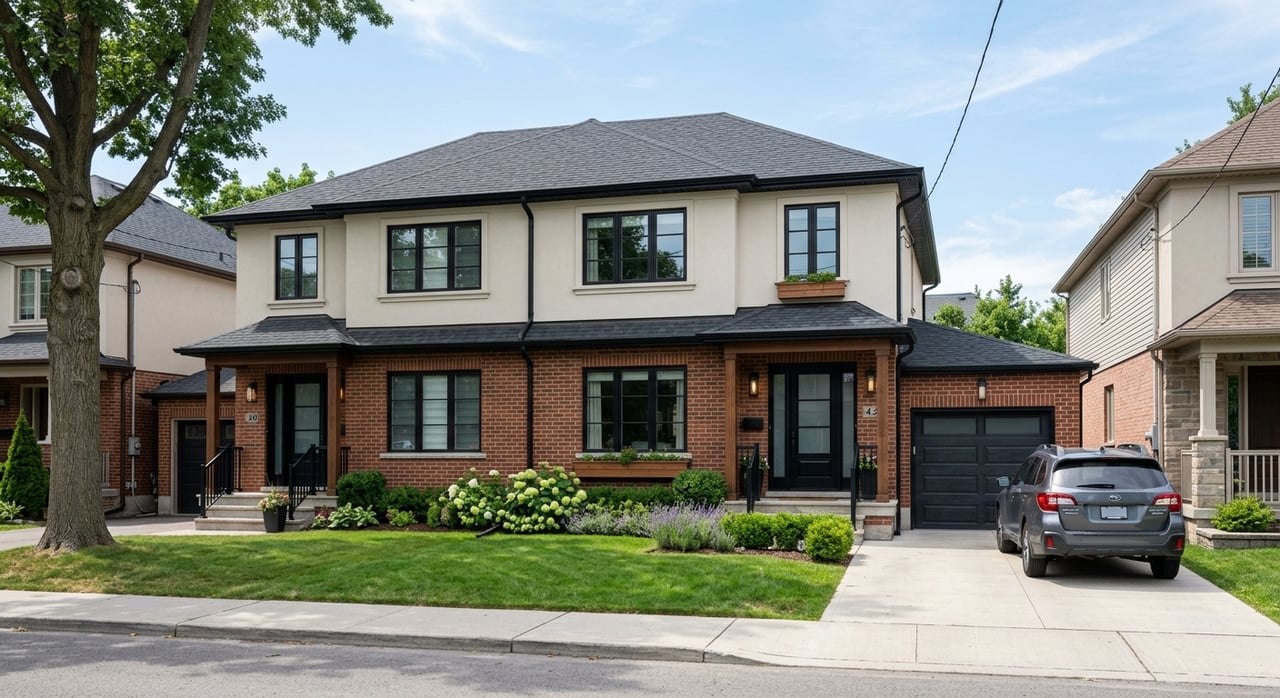
According to official NYC Planning materials, much of Midwood is made up of low-rise, low-density housing, including two- and three-story detached and semi-detached houses, with attached row houses on some blocks. Apartment buildings are more concentrated along corridors like Avenue K, Ocean Avenue, Kings Highway, and parts of Avenue N. That means you can find blocks with a more house-oriented feel while still staying connected to everyday services.
If your current home feels tight, Midwood can offer a practical next step. You may find houses with more interior space, more separation from neighboring properties, and in some sections, a more open streetscape than you are used to elsewhere in Brooklyn.
Midwood Housing Types to Know
When you start your search, it helps to understand that Midwood is not one single housing type. The neighborhood includes detached homes, semi-detached homes, row houses, and apartment buildings depending on the block.
In some low-density districts, such as areas described by the city as R2 and R4-1 zoning, housing rules support detached one-family homes or detached and semi-detached one- and two-family homes. These are the kinds of areas many move-up buyers focus on when they want more privacy, larger lots, or a more traditional house layout.
Another detail worth noting is parking. In those low-density districts, the city requires one off-street parking space per unit. For buyers moving from a property without dedicated parking, that can be a meaningful quality-of-life upgrade.
Where Midwood Feels Most Residential
Official planning documents show that commercial activity in Midwood is concentrated on Coney Island Avenue, Avenue M, and Avenue J. For you as a buyer, that can be helpful when thinking about lifestyle.
If you want a quieter residential setting, you may prefer blocks set back from those corridors. If daily errands on foot matter most, you may want to be closer to those active commercial streets. The right fit depends on how you want your day-to-day routine to work.
Some sections of Midwood also offer a distinctly more suburban streetscape. The Fiske Terrace-Midwood Park historic district report describes an area with early twentieth-century houses, generous lawns, tree-shaded streets, landscaped street malls, and large freestanding homes. If your move-up wish list includes more outdoor presence and a less dense visual feel, this part of Midwood is especially worth understanding.
Outdoor Space and Expansion Potential
One reason move-up buyers consider Midwood is the possibility of gaining outdoor space. The strongest official evidence for that comes from the historic-district documentation, which describes substantial freestanding homes and landscaped street fabric in parts of the neighborhood.
If you are thinking beyond today’s needs, you may also be wondering whether a future addition, basement conversion, attic conversion, or separate unit could be possible. New York City’s current ADU guidebook says homeowners may create one accessory dwelling unit per single-family or two-family house, and potential options include detached rear-yard units, attached additions, and attic or basement conversions.
That said, expansion should never be assumed based on a listing photo or lot size alone. The same guidebook advises confirming lot and house dimensions with a licensed surveyor before spending money on design plans. For move-up buyers, that is an important reminder to evaluate what is legally and physically possible before you count on future added space.
Historic District Rules Matter
If you are drawn to Midwood’s most distinctive freestanding homes, make sure you understand whether the property is located in a historic district. In landmarked areas, exterior work can involve an additional review process.
The city’s Landmarks Preservation Commission permit guidance explains that most exterior changes to front and rear facades require LPC review, while routine work like repainting to match the existing color or replacing broken window glass generally does not. In practical terms, this means your renovation timeline and approval path may be longer if you buy on a landmarked block.
For a move-up buyer, that is not necessarily a negative. It simply means you should factor design approvals, timing, and renovation sequencing into your overall plan from the start.
Getting Around Midwood
Space is only part of the equation. Daily convenience matters too, especially if you are balancing commuting, school drop-offs, family schedules, or regular travel around Brooklyn and Manhattan.
The current MTA Q line map shows Midwood-area stops including Beverly Road, Cortelyou Road, Newkirk Plaza, Avenue H, Avenue J, Avenue M, and Kings Highway. The same map notes B service at some stations on weekdays until 11 p.m., which can add flexibility depending on where you live.
Accessibility is another plus. The MTA announced that Avenue H became a fully accessible station in 2021. If you are thinking about stroller access, multigenerational living, or aging in place, that detail can matter in a very real way.
Bus service adds another layer of convenience. MTA bus service information shows Midwood connections on routes including the B7, B11, B100, and Q35.
Closing Costs Move-Up Buyers Should Plan For
When you move up, the purchase price is only one piece of the budget. Closing costs can be significant in New York City, so it helps to plan early and clearly.
New York State notes that when you buy a home, three taxes and fees are generally collected at closing: the RP-5217 filing fee, the real estate transfer tax, and the mortgage recording tax. The state also recommends applying for STAR after the home becomes your primary residence.
On the city side, for one- to three-family houses, individual condos, and co-ops, the NYC real property transfer tax is 1% for sales of $500,000 or less and 1.425% above $500,000. The seller generally pays that base transfer tax.
For buyers, one of the most important thresholds is the mansion tax. New York State says the mansion tax applies at 1% on residences priced at $1 million or more, and the buyer generally pays it. The state also imposes a supplemental tax on residential conveyances of $2 million or more.
If you are financing your purchase, you should also expect mortgage recording tax. The city explains that the mortgage recording tax depends on the mortgage amount, and buyers can use ACRIS resources to calculate what may be due.
A Smart Midwood Move-Up Strategy
The best Midwood purchase is not always the biggest house or the prettiest listing photo. It is the home that fits your budget, your timeline, and your longer-term goals.
For some buyers, that means prioritizing a detached or semi-detached home in a low-density area with parking. For others, it means targeting a house with future ADU or expansion potential, while understanding that surveys, permits, and approvals will shape what is actually possible. If you are considering a landmarked property, it is especially important to evaluate renovation timing before you commit.
A thoughtful move-up plan usually looks at four things together:
- Your target purchase price
- Expected closing costs and taxes
- The home’s current condition and any work needed
- Whether zoning, landmark status, or lot size may affect future plans
That kind of planning can help you avoid stretching for a house that looks right on paper but creates unnecessary stress later.
Why Local Guidance Helps
Midwood offers real variety from block to block. One street may have detached homes with more open frontage, while another may be closer to apartments, shopping corridors, or transit. The details matter, especially when you are moving up and making a bigger financial commitment.
Working with an agent who understands Brooklyn housing types, renovation considerations, and the closing-cost structure can help you compare options more clearly. If you are selling one property while buying another, good coordination matters even more.
If you are thinking about your next step in Midwood, Gulnara Yunussova offers personalized, white-glove guidance to help you evaluate the right fit, understand the process, and move forward with confidence.
FAQs
What types of homes can move-up buyers find in Midwood?
- Midwood includes detached houses, semi-detached houses, attached row houses, and apartment buildings, with much of the neighborhood defined by low-rise residential housing according to NYC Planning.
What should Midwood buyers know about parking?
- In certain low-density Midwood zoning districts, the city requires one off-street parking space per unit, which can be a meaningful benefit if dedicated parking is important to you.
Can a buyer add an ADU to a Midwood house?
- NYC’s ADU guidebook says one ADU may be created per single-family or two-family house, with options such as rear-yard units, additions, and attic or basement conversions, but feasibility should be confirmed with a licensed surveyor and the proper approvals.
What should buyers know about Midwood historic districts?
- If a home is in a historic district, many exterior changes to the front and rear facades require LPC review in addition to standard permitting, which can affect renovation timing.
What transit options are available in Midwood for daily commuting?
- Midwood has Q line access at several nearby stations, some weekday B service, and bus routes including the B7, B11, B100, and Q35.
What extra taxes should move-up buyers budget for in Midwood purchases?
- Buyers should review possible closing costs including filing fees, transfer-related taxes, mansion tax if the purchase is $1 million or more, and mortgage recording tax if financing is involved.