Buying on the Upper East Side from another country can feel like learning a new language while juggling time zones. You are balancing wire transfers, board rules, and a fast New York market, often without setting foot in the building. This guide breaks down what matters most: how condos differ from co-ops in this neighborhood, how long the process takes, what financing and taxes look like for international buyers, and how to close from abroad with confidence. Let’s dive in.
Why the Upper East Side
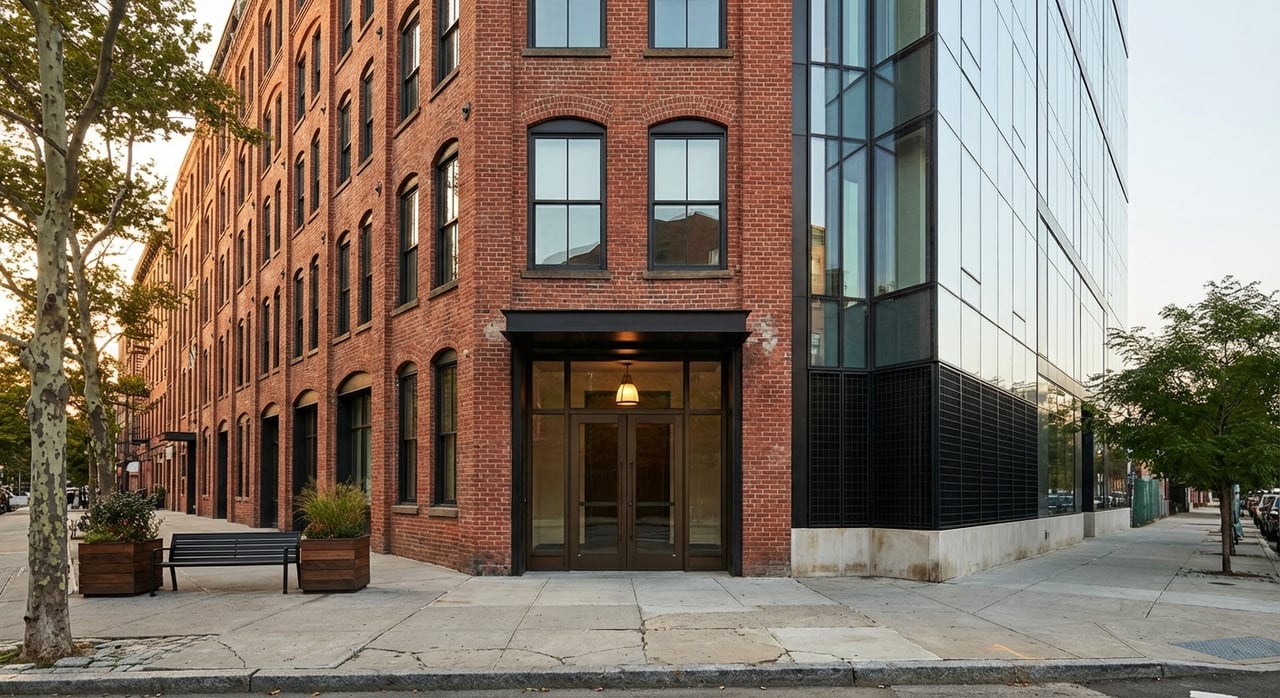
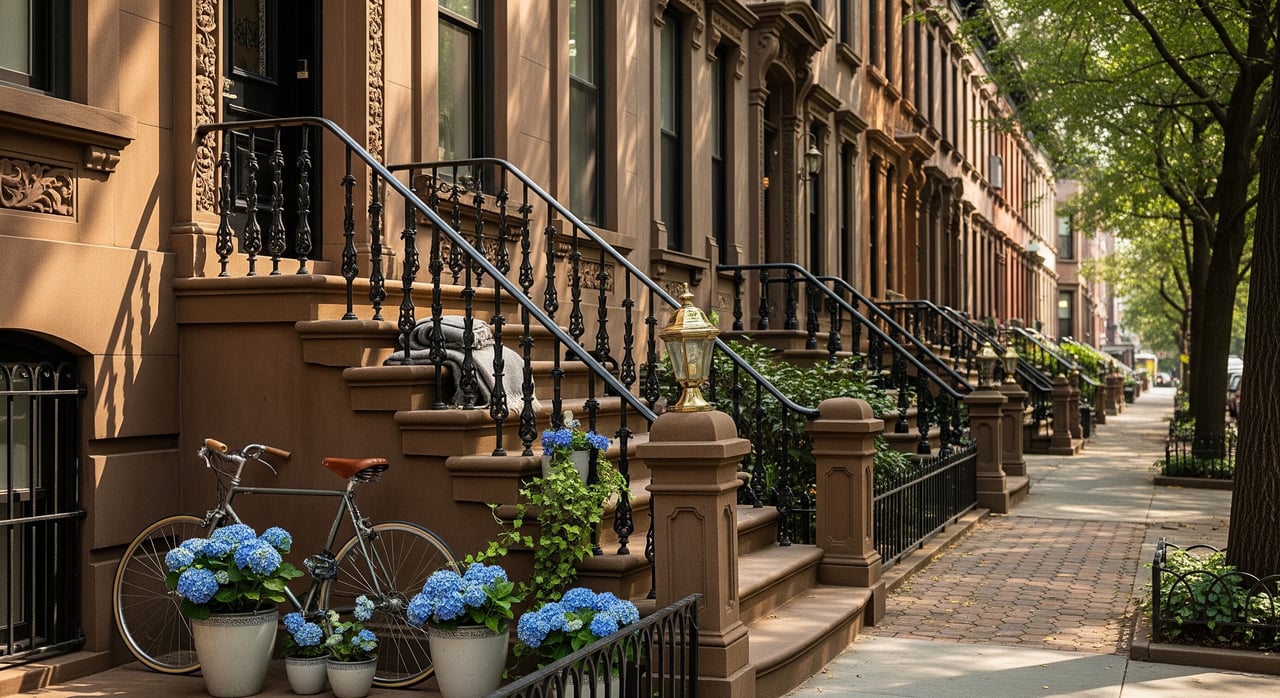
The Upper East Side gives you classic New York living next to Central Park and Museum Mile, with a wide mix of buildings. You will see prewar elevator buildings with formal layouts and newer condos near Lexington and Second Avenue. If you want amenities and easier approvals, condos can be a strong fit. If you prefer prewar charm and a more traditional setting, co-ops are common across the area.
Condo vs. co-op in plain English
Condos and co-ops look similar from the lobby, but they work very differently behind the scenes.
- Ownership: With a condo, you receive a deed to your unit plus a share of the building’s common spaces. With a co-op, you buy shares in a corporation and receive a proprietary lease to live in the apartment. This difference affects everything from financing to who must approve your purchase. For a clear overview, see this practical guide to NYC ownership types from LegalClarity.
- Approvals: Co-op boards review detailed applications and interviews, and they can deny a buyer. Condos usually require a simple application and have a right of first refusal, which is rarely used in practice. This means condo approvals are typically faster and more predictable.
- Pricing and flexibility: Condos often carry a premium because financing is straightforward and renting policies are usually more flexible. Co-ops can be priced lower per square foot but may limit sublets and renovations.
Two common UES scenarios help you visualize this:
- A prewar two-bedroom near Park or Fifth Avenue is often a co-op, where the board approval process is part of your timeline and the monthly maintenance may include the building’s property taxes.
- A recently built two-bedroom east of Lexington or along Second Avenue is likely a condo with a deed and separate property tax bill, plus higher common charges for newer amenities.
Your overseas buying timeline
On the Upper East Side, a typical condo purchase runs about 60 to 90 days from contract to closing, depending on financing and building approvals. Co-ops often take longer. A helpful overview of city timelines is available here from Ben James Taylor.
Step 0: Assemble your local team
Hire a New York buyer’s agent and a Manhattan real estate attorney before you view or bid. Your attorney will review contracts, coordinate due diligence, and outline closing logistics, especially if you plan to close remotely. A concise process summary is in LegalClarity’s step-by-step guide.
Step 1: Financing readiness and proof of funds
If you need a loan, secure a pre-approval before making an offer. Lenders may request tax returns, bank statements, and alternative documentation if you do not have a U.S. credit file. For a high-level overview of foreign-national financing, see Bankrate’s guide.
Step 2: Offer and contract
Once your offer is accepted, your attorney negotiates and you sign the purchase contract with a customary 10 percent deposit held in escrow. Attorney review is typically quick in New York. This is your formal commitment to the deal.
Step 3: Building application
- Condo: Submit a shorter package. The board issues a waiver if it does not exercise its right of first refusal. Timing is often within about 30 days.
- Co-op: Prepare a detailed package with financials, references, and an interview. This review can add several weeks to your timeline and approval is not guaranteed.
Step 4: Mortgage underwriting and title
If you finance, your lender orders an appraisal and processes underwriting. Title work and building documents are reviewed in parallel.
Step 5: Clear to close
When the board (if needed), lender, and attorneys give the green light, you schedule closing. Cash purchases can close faster. Remote closings are common when handled correctly.
Financing for international buyers
Foreign-national loans exist, but lenders often ask for larger down payments and more documentation. Many programs expect 25 to 40 percent down, depending on your profile and the building. Some international buyers choose all cash to simplify approvals and timing. For an overview of these options and documentation needs, review Bankrate’s foreign-buyer article.
Helpful tips:
- Get a written pre-approval early and refresh it if your search runs long.
- If you are self-employed, gather corporate financials and accountant letters in advance.
- Keep liquid funds in an institution that can wire on short notice and provide official proof-of-funds letters.
Taxes and closing costs to expect
Your total cash to close includes building and lender fees, title insurance, and taxes that apply to New York purchases. Here are the key items to understand first:
- State mansion tax: New York’s progressive mansion tax applies to purchases at 1 million dollars or more. Rates start at the 1 million level and increase at higher price bands. See the official schedule in the state memorandum from the New York State Dept. of Taxation and Finance: M19-1R.
- City Real Property Transfer Tax (RPTT): In most resales, the seller pays this city transfer tax. In some new developments, buyers may be asked to cover sponsor transfer taxes as part of the deal. Learn about RPTT rates and enhanced LLC disclosures on the NYC Dept. of Finance RPTT page.
- Mortgage recording tax: If you finance a condo purchase, New York City charges a mortgage recording tax based on your loan amount. Rates vary by loan size and property type, and they are calculated at closing.
- Typical buyer costs: Title insurance, attorneys, recording and filing fees, lender fees, and building application fees. A practical overview of common NYC closing-cost items is summarized by StreetEasy.
Example snapshots on a 1 million dollar condo:
- All cash: You would pay the state mansion tax per the official schedule (at the 1 million threshold), plus title insurance, attorneys, and recording fees. Buyers often budget a few percent of price for total closing costs on resales, then refine the estimate with their attorney.
- With financing: Add the mortgage recording tax on the loan amount and lender-related fees. Your attorney and loan officer can produce an estimate once your loan size is set.
Always have your attorney run an itemized estimate for your specific building and financing. If you are using an entity, factor in any additional filing fees.
IDs, filings, and entity ownership
- U.S. tax ID: You do not need a Social Security Number to buy. Many non-U.S. buyers use an Individual Taxpayer Identification Number (ITIN) for tax reporting or if a lender requires it. The IRS explains the ITIN process here: How to apply for an ITIN.
- LLCs and trusts: Many international buyers choose an LLC or trust for privacy or estate planning. New York City requires added disclosure about LLC members on certain transfer tax filings. See the city’s RPTT page for details: NYC RPTT overview and LLC disclosures.
- Beneficial Ownership Information (BOI): New federal rules require some entities to report beneficial owners to FinCEN. Filing rules and deadlines changed recently. Review current guidance on FinCEN’s BOI page.
Speak with your U.S. real estate attorney and tax advisor to choose the right structure and confirm reporting timelines.
Closing from abroad: remote signing and security
- Remote notarization: New York allows electronic and remote online notarization if completed under state rules. Confirm which documents your lender, title company, or co-op will accept. See the state’s notary FAQ: New York Dept. of State Notary Public FAQ.
- Board interviews: Some co-ops still expect an in-person interview. Ask upfront so you can plan travel or confirm if a video interview is allowed.
- Wire safety: Always verify wiring instructions by phone using a known, trusted number. Never rely on emailed instructions without confirmation from your attorney or title company.
Document checklist for international buyers
Start assembling these items now to keep your deal on track:
- Passport copy and government-issued ID.
- Proof of funds showing liquid assets for down payment and closing.
- Two years of tax returns and employment verification, or corporate financials if self-employed.
- A completed financial statement in the format your agent or building provides.
- Bank reference and personal or professional reference letters if requested.
- Mortgage pre-approval letter if financing.
- Entity documents if buying through an LLC or trust, including the operating agreement and list of beneficial owners.
- Originals with apostilles or certified translations if documents are not in English.
Common risks and how to avoid them
- Board delays or denials: Co-op approvals can take time and are not guaranteed. Present a clean, complete package and respond quickly to requests. A condo often reduces this risk.
- Financing friction: Foreign-national loans may require a higher down payment and more documentation. Line up your lender early and keep funds seasoned and ready to wire.
- Tax and reporting surprises: The mansion tax at 1 million dollars and above can be significant, and entity buyers may have BOI filings. Have your attorney and CPA review your plan before you sign a contract.
How we help you buy from abroad
You deserve a calm, well-orchestrated purchase. With deep NYC experience in Manhattan condos and a multilingual background, you get clear guidance at every step, from shortlisting the right buildings to coordinating remote signing and walk-throughs. If you are buying from overseas or speak Russian, Kazakh, or Uzbek, you will feel supported and understood.
Ready to map your plan for an Upper East Side condo? Schedule a conversation with Gulnara Yunussova to get a step-by-step strategy, timelines, and building recommendations that fit your goals.
FAQs
Can I buy a UES condo without visiting New York?
- Yes. With a local attorney and title company, you can complete most steps remotely using electronic or remote notarization under New York rules. Confirm whether the building requires an in-person interview.
How long does a New York condo purchase take if I live abroad?
- Most condo purchases close in about 60 to 90 days from contract, depending on financing and board timelines. Co-ops typically take longer due to application reviews and interviews.
What down payment do foreign-national buyers usually need?
- Many foreign-national mortgage programs expect 25 to 40 percent down, and documentation requirements can be higher than for U.S. borrowers. Cash purchases can shorten timelines.
Do I need a Social Security Number to buy?
- No. Many non-U.S. buyers use an ITIN for tax reporting or if a lender requests it. The IRS provides instructions for obtaining an ITIN.
What taxes will I pay at closing on a 1 million dollar condo?
- The state mansion tax applies at 1 million dollars and above, plus standard buyer costs like title insurance and fees; if you finance, the mortgage recording tax applies to your loan amount. Your attorney will calculate exact figures for your deal.