Is your ideal Tribeca home a sun‑splashed, brick‑and‑beam loft or a sleek condo with every service at your fingertips? Both choices are compelling, and both come with unique tradeoffs that shape how you live day to day. If you love character, scale, and flexibility, a classic loft will speak to you. If you want turn‑key comfort, modern systems, and a staffed lobby, a new condo may be the better fit. In this guide, you’ll learn how Tribeca’s history created these two paths, what to expect from each, and a clear checklist to help you decide. Let’s dive in.
Why Tribeca offers both options
Tribeca’s loft stock grew out of 19th‑century warehouses and the Washington Market, later adapted by artists into live‑work spaces. That legacy led to legalization pathways under the Loft Law, overseen by the NYC Loft Board, which still informs how some buildings are regulated today.
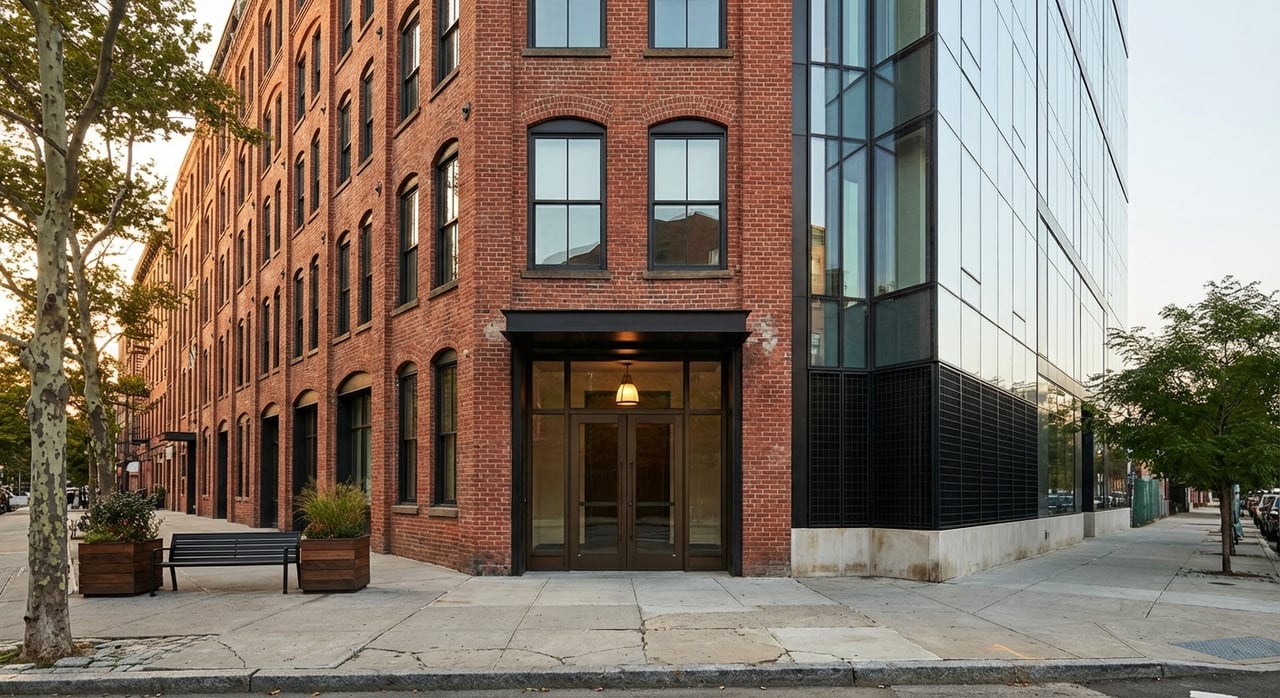
Large parts of Tribeca became historic districts in the early 1990s. Landmark status preserves the neighborhood’s iconic cast‑iron and warehouse facades and can limit exterior changes. That preservation context explains why many authentic loft shells remain and why large new towers are relatively limited in number. You can explore that background in the Tribeca historic district summaries.
Tribeca ranks among Manhattan’s most expensive neighborhoods, with median sold prices in the high single‑millions and price‑per‑square‑foot premiums for rare large layouts. Inventory is tight, especially for full‑floor lofts and larger condo homes, which helps support values over time. Buyer pools include families and established professionals seeking space and privacy, as well as high‑net‑worth purchasers who want top‑tier amenities and services.
Space and layout: loft character vs condo planning
What you get in a classic loft
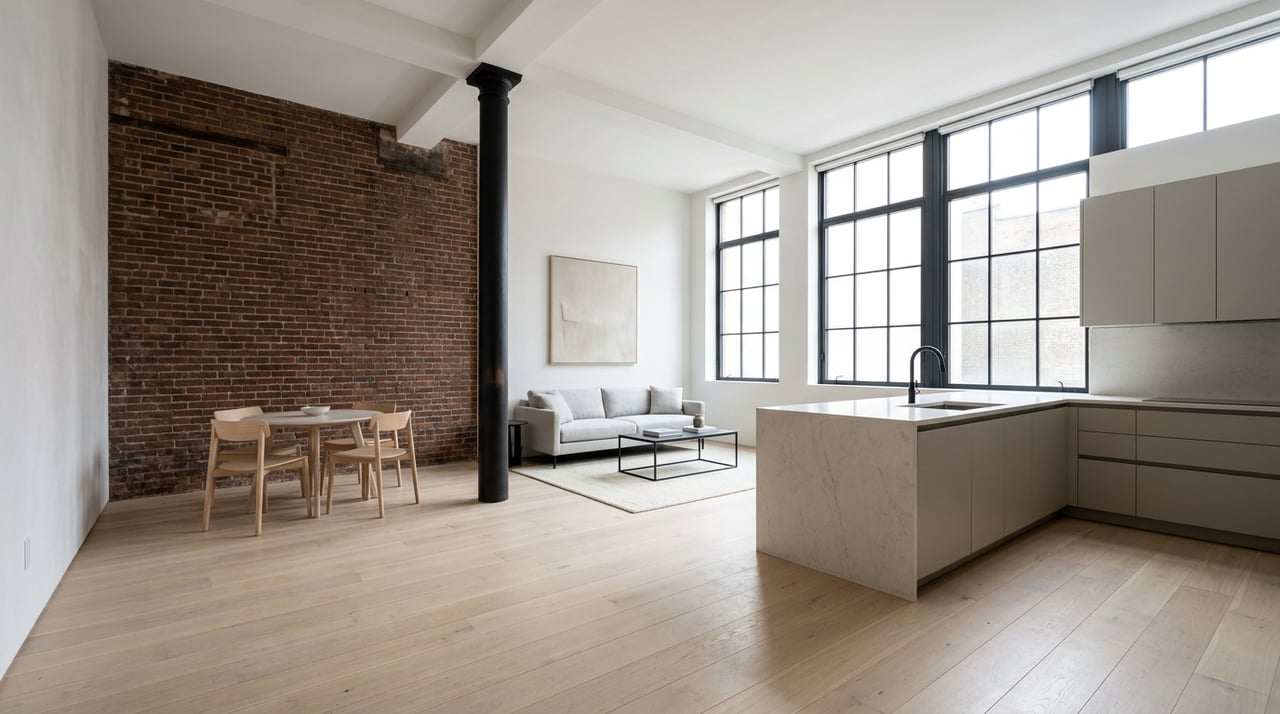
Classic Tribeca lofts deliver volume and daylight. Expect very high ceilings, oversized factory windows, exposed brick and timber or steel columns, and wide floor plates that invite open living and gallery‑scale entertaining. These are the features many buyers fall in love with, as seen across representative loft listings and commentary on industrial‑character lofts.
The tradeoff is practicality. Fewer partitions mean you may need custom millwork for closets and room dividers. Long great rooms can make bedroom placement a design exercise. Some buildings or units also have older windows, insulation, or mechanicals that were retrofitted over time, which can impact comfort and energy use unless upgrades were recently completed.
Hard loft, soft loft, and condo lofts
Hard lofts are authentic conversions from industrial buildings that preserve raw structural elements. Soft lofts are newer constructions that emulate the look with higher ceilings and large windows but deliver modern systems and code‑rated assemblies. In Tribeca you will also find “loft‑style” condo collections inside restored or ground‑up projects. The distinction matters for authenticity, maintenance risk, and how the home is positioned for resale.
What modern condos deliver
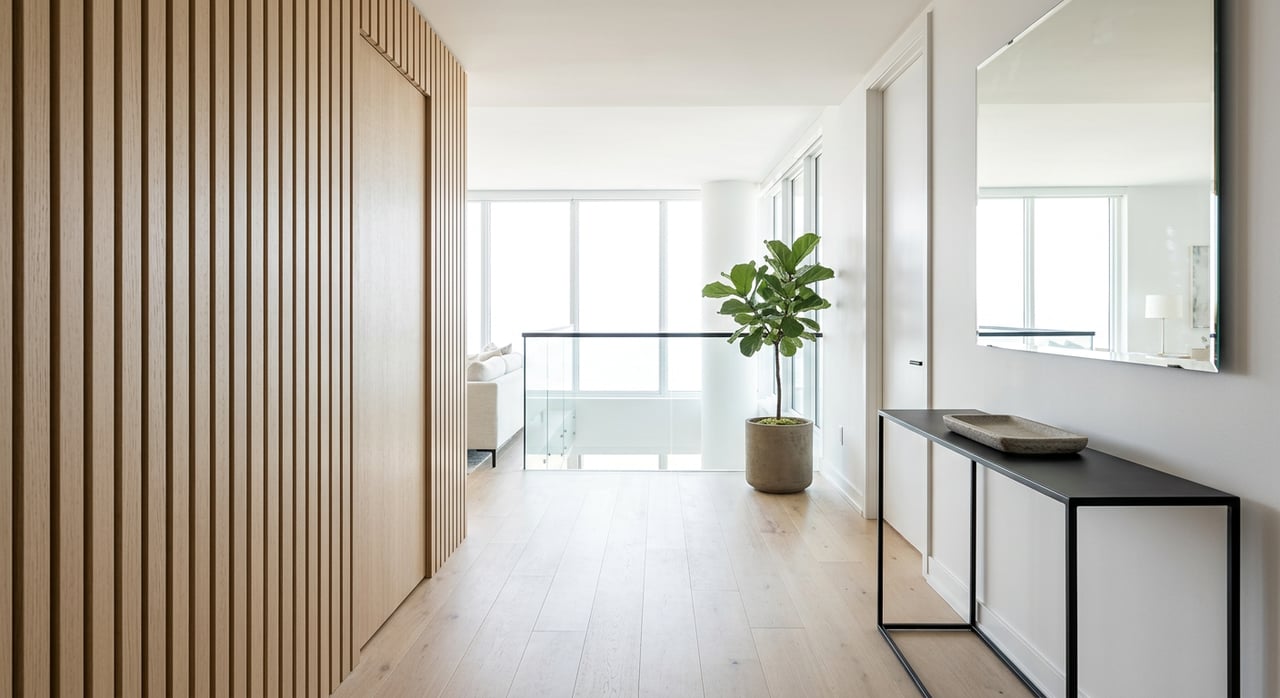
Newer Tribeca condos tend to offer zoned floor plans that clearly separate living spaces from bedroom wings and private suites. Behind the walls, you will often find multi‑zone HVAC, modern acoustic assemblies, integrated wiring, full‑size laundry rooms, and en‑suite baths. These systems reduce the need for heavy customization. For a clear sense of the modern standard, explore the amenities and build quality featured at 56 Leonard, a flagship contemporary tower in the neighborhood.
Amenities and daily life
Full‑service living in modern buildings
Modern developments in Tribeca often include 24‑hour doorman and concierge, curated wellness centers, indoor lap pools, children’s rooms, private dining spaces, landscaped rooftops, storage, and in some cases on‑site or automated parking. 56 Leonard is a well‑known example of a building with an extensive amenity suite. Other headline properties, such as 70 Vestry and 443 Greenwich, illustrate how high‑touch services and resort‑style features shape lifestyle and common charges.
Privacy and sound expectations
Open lofts provide drama and light, but privacy is something you plan for. Owners often add custom doors, secondary partitions, and acoustic treatments to create quiet zones for sleep or remote work. Pre‑conversion loft assemblies may not meet current acoustic targets, so it pays to test noise conditions at different times of day and ask about any sound upgrades. Modern condos are typically designed to meet code‑level acoustic standards with sound‑rated demising walls, floating floor assemblies, and sealed penetrations. For context on sound ratings and what to ask for, review this overview of STC ratings and sound control.
Day‑to‑day upkeep
Lofts usually keep monthly fees lower by limiting on‑site staff and amenities. That can be great if you prefer more space over service, but it shifts more responsibility to you for in‑unit systems care and for coordinating vendors. Full‑service condos centralize staffing and maintenance, which simplifies daily life but shows up in higher common charges. As you compare options, look beyond the headline fees to what they include.
Ownership, rules, and costs
Co‑op vs condo basics
Many older loft buildings are structured as co‑ops, while most newer towers are condominiums. Co‑ops generally require board approval, may set higher down‑payment expectations, and can restrict sublets or corporate purchases. Condos offer deeded ownership with fewer transfer hurdles and typically allow more rental flexibility, which can expand your future buyer pool. For a clear comparison of structures and implications, see this guide to co‑ops vs condos in NYC.
Closing costs and monthly numbers
Condo closings often carry higher up‑front costs, such as title insurance and mortgage recording tax. Co‑op buyers may avoid some of those items but take on a detailed board package and building‑specific fees. On monthlies, co‑op maintenance usually bundles property taxes and any building mortgage, while condo common charges sit alongside your individual property‑tax bill. Always compare the all‑in monthly cost rather than just the line items.
Renovations and approvals
If you anticipate a large reconfiguration, study the approval path. Co‑ops and condos both have alteration agreements that govern construction timing and scope. If the building sits in a landmark district, exterior or visible work may also require approval from the Landmarks Preservation Commission. These layers can add time and cost, so plan for them early.
Building health and long‑term risk
Facade rules that drive projects
All NYC buildings above a certain height must comply with the city’s facade safety program (FISP, formerly Local Law 11). Periodic inspections can trigger multi‑year facade repairs and sidewalk sheds, and older masonry buildings often need significant exterior work. These projects are managed through the Department of Buildings and can lead to temporary assessments. Learn more at the official NYC facade safety page.
Energy compliance to watch
Local Law 97 sets emissions limits for larger buildings, which may require future upgrades to boilers, electrification, and envelope efficiency. Condo associations and co‑op boards need to budget for compliance if they meet the size thresholds, and that planning can affect operating costs over time. You can read a plain‑English overview of Local Law 97 requirements.
Why loft buildings vary more
Converted lofts are not cookie‑cutter. Some were fully modernized with new MEP systems, windows, and insulation. Others still carry older infrastructure. Low monthlies can look attractive but may hide deferred capital needs. By contrast, newer condos are usually delivered with funded reserves and clear amenity budgets, though sponsor‑period assessments and initial taxes can still be higher. A careful document review helps you avoid surprises.
Resale and liquidity
Who will buy your home next
Condos typically attract a wider buyer pool, including investors, international buyers, and pied‑à‑terre owners, thanks to lighter transfer restrictions and rental‑friendly bylaws. This can improve liquidity in some market cycles. Co‑op lofts and highly customized spaces appeal to a narrower group of owner‑occupiers who prize character, which can lengthen marketing time but also protect value when the home is best‑in‑class for layout and design.
Renovation upside vs cost
Lofts offer big creative upside. You can shape dramatic kitchens, galleries, and multi‑purpose zones within those wide floor plates. The flip side is that older structures and landmark contexts can add complexity and cost, so engineering and approvals matter. Newer condos bring fewer structural unknowns, and interior upgrades are usually more straightforward under building alteration rules. Whichever path you choose, budget for both interior improvements and potential building‑level capital work.
Quick decision guide
Consider a classic loft if you want:
- Scale, daylight, and authentic industrial character you can tailor to your life.
- Flexibility to design your own bedroom wings, offices, and storage solutions.
- Lower monthlies tied to limited staffing and amenities, with more hands‑on upkeep.
- A quieter, owner‑occupied feel that prizes privacy over a hotel‑style lobby.
Consider a modern condo if you want:
- Turn‑key living with modern systems, zoned layouts, and en‑suite bedroom suites.
- Full‑service amenities and 24‑hour staff that simplify daily routines.
- Easier financing, lighter transfer rules, and a broader future buyer pool.
- Clear building budgets and reserves, plus on‑site engineers and concierge support.
Due‑diligence checklist to use with your agent
- Confirm ownership type: condo, co‑op, or condop, and how that affects closing costs and down payment expectations. Review this co‑op vs condo comparison.
- Request audited financials, reserve studies, recent board minutes, and any active assessments or capital projects.
- Check the building’s facade safety filing history and any DOB violations or sidewalk sheds tied to FISP.
- Ask about Local Law 97 exposure and planned energy upgrades if the building meets size thresholds. See the Local Law 97 overview.
- For lofts: document past upgrades to HVAC, windows, and insulation, and get draft plans or estimates for any desired reconfigurations. For condos: request the full amenities budget and rental policy.
- Do a sound test day and night. If available, ask for acoustic test data or specifications to understand likely noise transfer. For context, review STC rating basics.
The bottom line
There is no wrong choice between a Tribeca loft and a modern condo. It comes down to how you want to live. If you crave volume, texture, and the freedom to shape a one‑of‑a‑kind home, a classic loft will reward the effort. If you prefer a seamless, service‑rich lifestyle with strong resale visibility, a contemporary condo is likely your match. A clear review of building health, rules, and carrying costs will make the right answer obvious for you.
If you want a calm, structured process from first tour to closing, reach out. With experience across Manhattan condos and Brooklyn townhomes, multilingual support, and team‑backed resources, Gulnara Yunussova can help you compare specific buildings, stress‑test budgets, and secure the home that fits your life.
FAQs
What are the biggest lifestyle differences between a Tribeca loft and a modern condo?
- Lofts trade staff and amenities for space and character, while modern condos provide full‑service convenience, zoned layouts, and newer systems that reduce day‑to‑day maintenance.
How do co‑op and condo rules affect resale in Tribeca?
- Co‑ops can require board approvals and limit rentals, which narrows the buyer pool, while condos have lighter transfer restrictions that attract more buyers and can improve liquidity.
What building regulations might increase ownership costs in older Tribeca lofts?
- Facade safety rules under FISP and emissions limits under Local Law 97 can lead to capital projects and assessments, especially for older masonry buildings.
Are modern Tribeca condos quieter than classic lofts?
- Newer condos are typically built to current acoustic standards with sound‑rated assemblies, while many pre‑conversion lofts need added partitions or treatments for privacy and noise control.
What should I review before renovating a Tribeca loft in a landmark district?
- Confirm building alteration rules, engineering feasibility, and whether Landmarks approval is required for any exterior or visible work, then budget added time and cost accordingly.