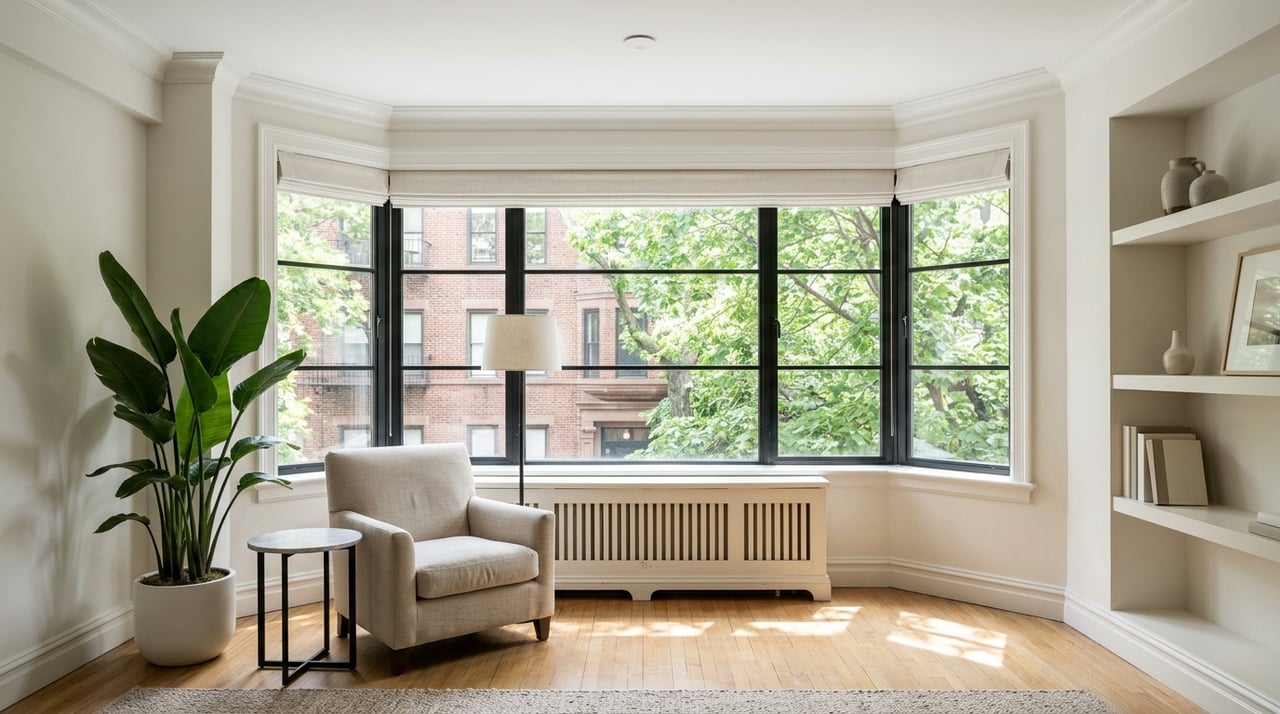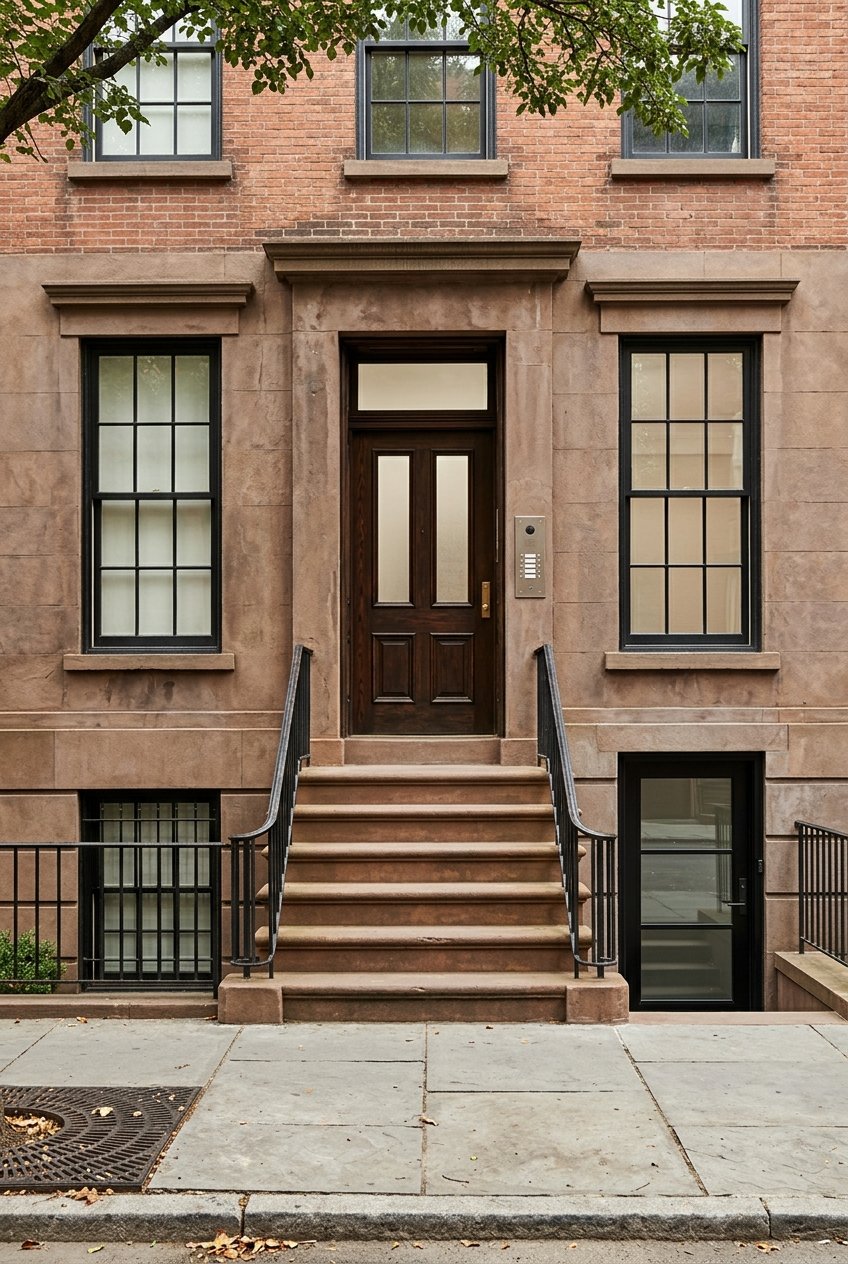
If you are home shopping in Brooklyn Heights, one question can shape almost everything about your experience: do you want a brownstone, a co-op, or a condo? In this neighborhood, the choice is not just about charm or layout. It affects how you own the property, what monthly costs look like, how much control you have over renovations or subletting, and how much review happens before you even get to closing. Let’s break it down clearly so you can focus on the option that best fits your life and plans.
Why this choice matters in Brooklyn Heights
Brooklyn Heights is known for its historic housing stock and landmarked streetscape. According to the Landmarks Preservation Commission designation materials, the neighborhood is defined by a large concentration of historic residential buildings, including many brick and brownstone houses, with hundreds built before the Civil War.
That character is a big part of the appeal, but it also comes with rules. In a landmarked area, many exterior changes require review, which means your housing choice is not only about style. It is also about who controls decisions, how repairs are handled, and how flexible ownership feels over time.
Brownstone means building type
A common point of confusion is this: a brownstone is not the same thing as a co-op or condo. In Brooklyn Heights, “brownstone” usually describes a townhouse-style building form, not a legal ownership structure.
That matters because buyers sometimes compare a brownstone to a condo as if they are the same kind of thing. They are not. A brownstone usually offers a more private, house-like lifestyle, while co-ops and condos are ownership structures most often tied to apartment living.
What brownstone living feels like
If you buy a brownstone-style townhouse in Brooklyn Heights, you are usually choosing privacy, architectural detail, and more day-to-day autonomy. You may have your own entrance, more separation from neighbors, and a living experience that feels closer to owning a house than owning an apartment.
For many buyers, that independence is the main draw. You are not dealing with shared hallways, broad building rules, or the same kind of board oversight that often comes with apartment ownership.
What brownstone ownership asks of you
The trade-off is responsibility. Older buildings require ongoing planning for repairs, and in Brooklyn Heights, visible exterior work like façade repairs, windows, stoops, roofing, or masonry may involve landmark review under the neighborhood’s preservation framework described by the LPC designation report.
That means a brownstone often works best if you are comfortable with larger, less predictable repair costs. Instead of paying for many building expenses through a shared monthly structure, you are more directly responsible for maintenance decisions and timing.
Who a brownstone suits best
A brownstone is often the right fit if you want:
- More privacy
- Historic character
- A true house feel
- Fewer shared-building compromises
- More direct control over your home
It is usually less ideal if you want a simpler ownership structure with shared maintenance systems or more predictable monthly carrying costs.
Co-ops offer the most structure
Co-ops are a major part of New York housing, and Brooklyn Heights has many buyers who consider them seriously. The New York State Attorney General explains that when you buy a co-op, you are purchasing shares in a corporation. Those shares are tied to a specific apartment through a long-term proprietary lease.
In practical terms, you do not own real property in the same way you do with a condo. Instead, your ownership is share-based, and your rights and responsibilities are shaped by the co-op’s by-laws, proprietary lease, and house rules.
How co-op monthly costs work
Co-op monthly charges are often more bundled than buyers expect. Based on the Attorney General’s co-op offering plan guidance, maintenance can include items like real estate taxes, repairs and maintenance, insurance, management fees, debt service, and mortgage payments tied to the building.
That can make the monthly number look higher at first glance. But in many cases, it also means more of the building’s operating costs are wrapped into one regular payment.
How much governance to expect
Co-ops usually come with more oversight than condos. The board of directors is elected by shareholders, and building rules can affect approvals, meetings, day-to-day policies, and subletting. The Attorney General also advises buyers to review board minutes, financial statements, and annual reports because those documents help show the building’s condition and financial health.
This is why many buyers describe co-ops as the most structured ownership path. If you value predictability and do not mind a collective ownership culture, that structure may feel reassuring rather than limiting.
A tax-abatement note for co-ops
Some eligible primary-residence co-op developments may receive the NYC Cooperative and Condominium Property Tax Abatement. The board or managing agent applies for the benefit, and the amount can vary based on the development’s assessed value.
That can affect your carrying costs in a meaningful way, but it is not automatic for every buyer or every building. It is one more reason to review the building’s specifics instead of relying on broad assumptions.
Who a co-op suits best
A co-op may be the best fit if you are comfortable with:
- Board approval and building review
- House rules and shared governance
- A more collective ownership structure
- Monthly costs that may bundle more expenses
- Careful document review before closing
Condos offer direct ownership
Condos are often the most straightforward ownership type for buyers who want flexibility. The New York State Attorney General’s condominium guidance defines a condo as individual ownership of a unit plus an undivided interest in the common elements.
That direct ownership structure is a big reason condos appeal to many Brooklyn and Manhattan buyers. It tends to feel easier to understand, and it often gives owners more flexibility for future plans.
Why condos feel more flexible
In general, condo boards are enforcing the declaration, by-laws, and house rules rather than governing a shareholder corporation. The Attorney General’s condo guidance notes that sublet provisions are generally less restrictive than in co-ops, though the actual rules still depend on the building’s governing documents.
That does not mean every condo is easygoing. It does mean buyers often choose condos when they want more room to adapt, whether that means future resale planning, a possible sublet, or a cleaner ownership structure.
Condo taxes and building benefits
Like co-ops, eligible condo developments may also participate in the NYC co-op and condo tax abatement program when the unit is an owner’s primary residence and the building qualifies. The filing and renewal process is handled by the board or authorized agent.
As with co-ops, this is building-specific. It should be part of your due diligence, not an assumption.
Who a condo suits best
A condo is often the best fit if you want:
- Direct ownership of the unit
- More flexibility for future planning
- Generally fewer sublet restrictions than a co-op
- A simpler legal structure to understand
- Apartment living with possible shared services or amenities
Brownstone vs co-op vs condo
Here is the simplest way to think about the decision in Brooklyn Heights.
| Option | Best for | Main trade-off |
|---|---|---|
| Brownstone | Privacy, house-like living, historic character | More owner-driven maintenance and landmark review |
| Co-op | Buyers comfortable with structure and board oversight | More governance and possible limits on flexibility |
| Condo | Buyers who want direct ownership and flexibility | Rules still apply, and building terms vary |
The real comparison is not just old façade versus modern apartment. In Brooklyn Heights, it is more about privacy and maintenance burden versus governance and flexibility.
Due diligence matters in every case
No matter which direction you lean, the research process matters. The Attorney General specifically recommends that buyers review the full offering plan or equivalent governing documents, ask for board minutes and financial statements where available, and pay attention to disclosures and planned repairs, as explained in its buyer guidance for co-ops and condos.
That advice is especially important in a neighborhood with older buildings and landmark oversight. A beautiful exterior can tell you a lot about charm, but it does not tell you enough about reserves, planned work, or building rules.
Questions worth asking before you decide
As you compare Brooklyn Heights options, focus on questions like these:
- Who is responsible for major repairs?
- What do monthly charges include?
- Are there sublet restrictions?
- What approvals are required before closing?
- Are there planned capital projects or deferred repairs?
- If the property is landmarked, what exterior work may require review?
These questions can quickly reveal whether a home fits your budget, timeline, and comfort level.
How to choose the right fit
If your top priority is a classic Brooklyn house feel, a brownstone may be the clear winner. If you prefer a building with shared systems and a more structured ownership culture, a co-op may offer the stability you want. If flexibility and direct title matter most, a condo may be the better long-term fit.
There is no universal best choice in Brooklyn Heights. The right answer depends on how you want to live, how involved you want to be in maintenance or governance, and how much flexibility you want to preserve for the future.
If you want help weighing a specific Brooklyn Heights property, Gulnara Yunussova offers thoughtful, hands-on guidance shaped by years of NYC experience, neighborhood-level insight, and a calm, full-service approach designed to help you make a smart move with confidence.
FAQs
What does brownstone mean in Brooklyn Heights real estate?
- In Brooklyn Heights, a brownstone usually refers to a townhouse-style building form with historic character, not a separate legal ownership type.
What is the difference between a Brooklyn Heights co-op and condo?
- A co-op involves buying shares in a corporation tied to an apartment through a proprietary lease, while a condo gives you direct ownership of the unit plus an interest in common elements.
Are Brooklyn Heights brownstones subject to landmark rules?
- Yes, many properties in Brooklyn Heights are in a historic district, and exterior changes often require review, although some ordinary repairs may not.
Do Brooklyn Heights co-ops usually have more rules than condos?
- In general, yes. Co-ops typically involve more board oversight, house rules, and review of issues like subletting and building policies.
Can a Brooklyn Heights condo or co-op qualify for a tax abatement?
- Some eligible primary-residence condo and co-op developments may qualify for the NYC Cooperative and Condominium Property Tax Abatement, but eligibility and administration are building-specific.
What documents should you review before buying in Brooklyn Heights?
- You should review the offering plan or governing documents, board minutes and financial statements where available, and any disclosures or planned repairs that could affect ownership costs or future work.